
The Everglades, a vast subtropical wetland in Florida, is home to a remarkable array of ecosystems, each contributing to the region's ecological richness. This unique environment, often referred to as the "River
of Grass," supports a wide variety of plant and animal life. Understanding these ecosystems is crucial to appreciating the Everglades' ecological significance and the challenges it faces.
The Sawgrass Marshes and Sloughs
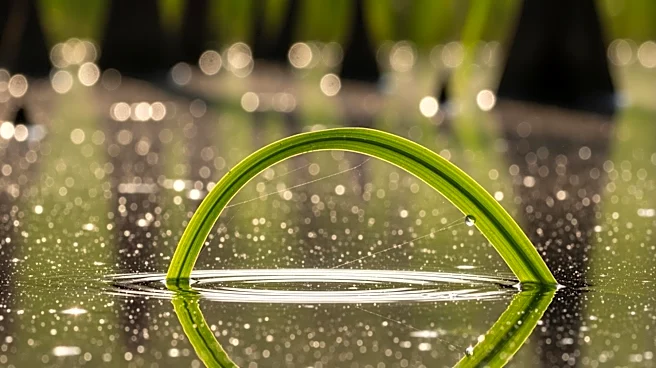
The Everglades is dominated by sawgrass marshes, which are characterized by the presence of Cladium, a sedge commonly known as sawgrass. These marshes are interspersed with sloughs, which are deeper channels of free-flowing water. The sawgrass marshes thrive in the slowly moving water, creating a habitat that supports a variety of wildlife, including alligators and wading birds. The sloughs, on the other hand, provide a habitat for aquatic animals such as turtles and fish, which are crucial to the food web.
The sawgrass marshes and sloughs are integral to the Everglades' identity as the "River of Grass." The marshes' hydroperiod, or the duration of flooding, influences the types of vegetation that can thrive. In areas with longer hydroperiods, peat builds up, while shorter hydroperiods result in marl formation. These subtle differences in water levels have significant ecological impacts, affecting the distribution of plant and animal species.
Tropical Hardwood Hammocks and Pinelands
Tropical hardwood hammocks are islands of dense trees that rise slightly above the surrounding wetlands. These hammocks are home to a diverse array of plant species, including both temperate and tropical trees. The dense canopy provides habitat for a variety of wildlife, including birds, snakes, and small mammals. The hammocks' unique structure and composition make them an essential component of the Everglades' biodiversity.
Pinelands, or pine rocklands, are another important ecosystem within the Everglades. These areas are dominated by South Florida slash pines and are adapted to periodic fires, which help maintain the ecosystem by preventing the encroachment of hardwood species. The pinelands support a diverse array of plant and animal life, including several species of birds and reptiles.
Mangroves and Coastal Prairies
The Everglades' coastal areas are characterized by extensive mangrove forests, which are among the most productive ecosystems in the world. These forests provide critical habitat for a variety of marine and bird species. Mangroves play a vital role in protecting coastlines from erosion and storm surges, while also serving as nurseries for fish and invertebrates.
Coastal prairies, which buffer the freshwater marshes from the sea, are another key ecosystem. These prairies absorb saltwater during high tides and storms, protecting the inland ecosystems from saltwater intrusion. Together, the mangroves and coastal prairies form a dynamic interface between land and sea, highlighting the interconnectedness of the Everglades' diverse ecosystems.