

Meditation is a practice that has been embraced by various cultures and traditions for centuries. One of the key elements of meditation is the posture, which can significantly influence the effectiveness of the practice. Meditative postures are not limited to sitting; they can also include standing, walking, and reclining positions. This article explores the diverse range of meditative postures, highlighting their significance and variations across
different traditions.
Sitting Postures in Meditation
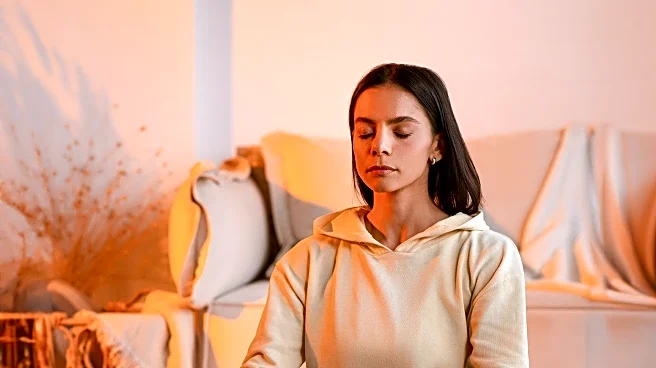
Sitting postures are perhaps the most recognized form of meditation positions. These postures provide a stable base for meditation and have been used for centuries in Buddhist and Hindu traditions. The lotus position, known as Padmasana, is one of the most iconic sitting postures. It involves sitting cross-legged with each foot placed on the opposite thigh, symbolizing growth towards enlightenment. Variations of the lotus position include the half lotus and bound lotus, each offering different levels of difficulty and benefits.
Other sitting postures include Sukhasana, which is a simple cross-legged position, and Siddhasana, also known as the Burmese posture, where the knees are on the ground and the feet are tucked close to the body. Kneeling postures like Virasana and Vajrasana involve sitting between or on the heels, providing an alternative to cross-legged positions. These postures are designed to keep the spine erect, allowing for better focus and relaxation during meditation.
Standing and Walking Meditation
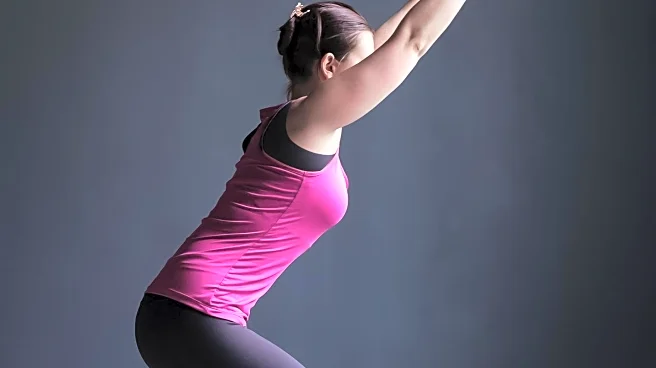
Meditation is not confined to sitting alone; it can also be practiced while standing or walking. Standing meditation, known as zhan zhuang, is a practice found in the Chinese martial art training system Yiquan. This posture emphasizes balance and stability, allowing practitioners to focus on their breath and bodily sensations.
Walking meditation, such as kinhin in Zen Buddhism, involves slow, mindful walking. This practice encourages mindfulness with each step, integrating movement with meditation. Walking meditation is often used as a complement to sitting meditation, providing a dynamic way to cultivate awareness and presence.
Reclining and Supported Postures
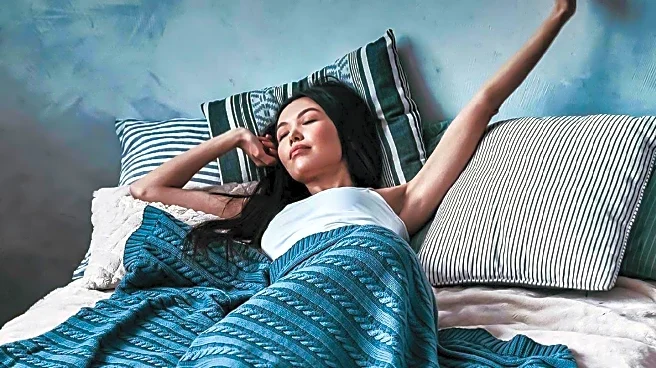
Reclining postures, such as Savasana or Corpse Pose, offer a restful position that can lead to deep relaxation. However, they are less commonly used for meditation as they may lead to sleep rather than heightened awareness. Supported postures, using cushions or benches, can help maintain spinal alignment and comfort, especially for beginners or those with physical limitations.
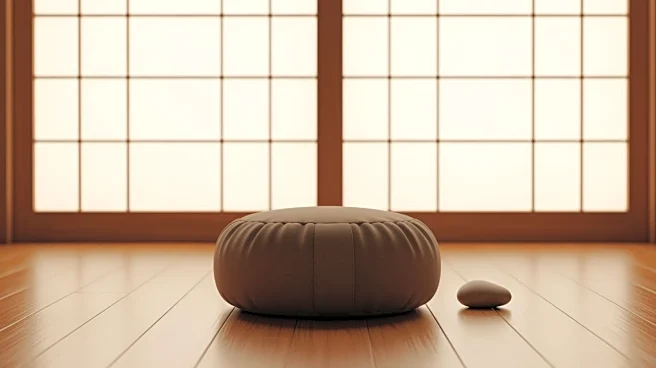
Modern mindfulness practices have adapted traditional postures to include chairs and meditation benches. These supports can provide stability and comfort, making meditation accessible to a wider audience. A study comparing the stability of different meditation supports found that traditional zafu cushions offer the most stability, but chairs and benches are suitable alternatives.
Meditative postures are integral to the practice of meditation, offering various ways to achieve focus and relaxation. Whether sitting, standing, walking, or reclining, each posture provides unique benefits and challenges, allowing practitioners to tailor their meditation practice to their needs and preferences.