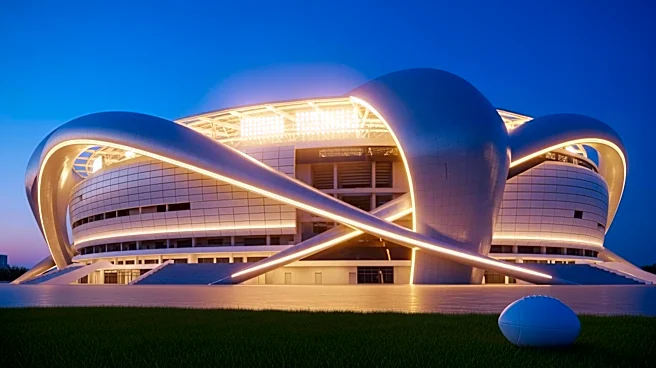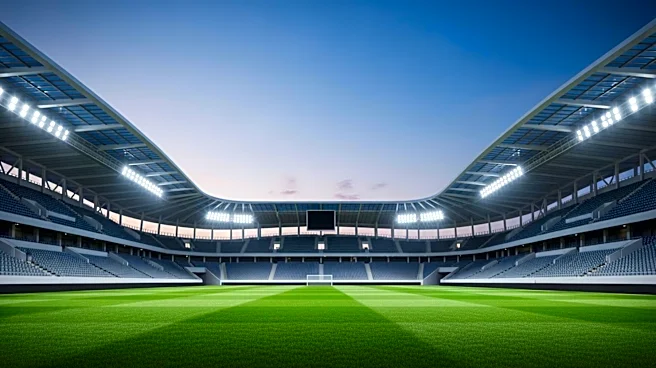









Education City Stadium, located in Al Rayyan, Qatar, played a significant role in the 2022 FIFA World Cup. As one of the eight stadiums constructed for the event, it hosted several matches, showcasing its modern design and sustainable features. This article delves into the stadium's contributions to the World Cup, its unique characteristics, and its future use.
Hosting World Cup Matches
Education City Stadium was a key venue during the 2022 FIFA World Cup, hosting eight matches.
These included group stage matches and a Round of 16 game, drawing large crowds and providing a vibrant atmosphere for fans. The stadium's capacity of 40,000 seats allowed it to accommodate significant attendance, with matches such as Denmark vs. Tunisia and Morocco vs. Spain attracting over 40,000 spectators.
The stadium's strategic location within Education City, a hub of university campuses, made it accessible to both local and international visitors. Its proximity to Doha, just 7 km northwest, further enhanced its appeal as a convenient venue for World Cup events. The successful hosting of matches at Education City Stadium demonstrated Qatar's commitment to delivering a world-class sporting experience.
Sustainable Design and Features
Education City Stadium is renowned for its sustainable design, earning a five-star GSAS rating for its environmental credentials. Approximately 20% of the building materials used in its construction were identified as green, making it one of the world's most environmentally sustainable stadiums. This focus on sustainability aligns with Qatar's broader efforts to implement labor reforms and improve conditions for migrant workers involved in the construction of World Cup infrastructure.
The stadium's nickname, "Diamond in the Desert," reflects its striking architectural design, which combines aesthetic appeal with functionality. The use of advanced cooling technology ensures comfortable conditions for spectators and players, even in Qatar's hot climate. These features highlight the stadium's role in setting new standards for sustainable sports venues.
Post-World Cup Legacy
Following the conclusion of the 2022 FIFA World Cup, Education City Stadium will continue to serve the community by retaining 25,000 seats for university athletic teams. This transition from a global sporting venue to a local community asset underscores the stadium's lasting legacy. It will provide a space for university sports and events, fostering athletic development and community engagement.
The stadium's design and infrastructure will also serve as a model for future projects, demonstrating the potential for sustainable and multifunctional sports venues. As Qatar continues to host international events, Education City Stadium stands as a testament to the country's commitment to innovation and sustainability in sports.