



Bread-making is both a science and an art, involving precise techniques and a variety of ingredients. From the choice of flour to the method of leavening, each element plays a crucial role in the final product. This article delves into the scientific and artistic aspects of bread-making, highlighting the techniques and ingredients that define this age-old craft.
The Role of Ingredients
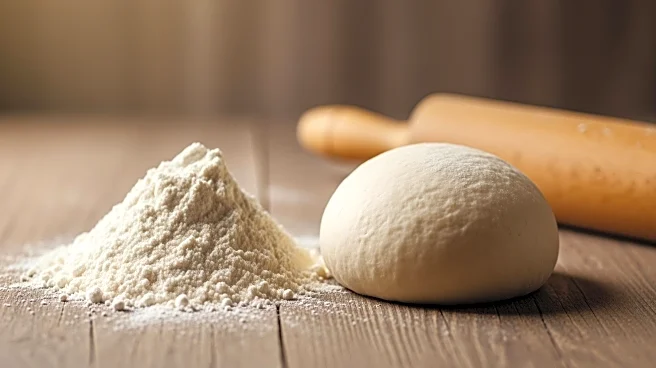
The primary ingredients in bread are flour, water, and salt, with yeast or other leavening
agents often added to create a light, airy texture. Wheat flour is the most common choice due to its high gluten content, which provides the elasticity and structure needed for bread to rise. However, other grains like rye, barley, and corn can also be used, each imparting unique flavors and textures.
In gluten-free breads, alternative flours such as almond, rice, or sorghum are used, often with additives like xanthan gum to mimic the binding properties of gluten. The choice of ingredients not only affects the bread's texture and flavor but also its nutritional profile, with whole grain and multigrain options offering higher fiber and nutrient content.
Techniques in Bread-Making
The process of bread-making involves several key techniques, each contributing to the bread's final quality. Kneading is essential for developing gluten networks, which trap gas bubbles and allow the dough to rise. The fermentation process, whether through natural sourdough cultures or commercial yeast, is crucial for flavor development and leavening.
Different methods, such as the Chorleywood bread process, use intense mechanical working to reduce fermentation time, allowing for rapid production. Traditional methods, like sourdough fermentation, rely on naturally occurring microbes to leaven the dough, resulting in complex flavors and a chewy texture.
The Art of Bread-Making
While science provides the foundation, bread-making is also an art that allows for creativity and personal expression. Bakers experiment with different ingredients, shapes, and techniques to create unique breads. From rustic artisan loaves to intricately braided challahs, the possibilities are endless.
The art of bread-making also involves sensory skills, such as judging the dough's readiness by touch and smell. Experienced bakers develop an intuitive understanding of the dough, adjusting their techniques based on environmental factors like temperature and humidity.
In conclusion, bread-making is a harmonious blend of science and art, where precise techniques meet creative expression. Whether you're a novice baker or a seasoned professional, the journey of transforming simple ingredients into a delicious loaf is a rewarding experience that connects us to a rich culinary tradition.