






The Ixtoc I oil spill stands as one of the most significant environmental disasters in the history of marine oil spills. Occurring in the Gulf of Mexico from June 1979 to March 1980, this spill released an estimated 139,818 to 147,840 barrels of oil into the ocean. This article provides a historical overview of the Ixtoc I oil spill, examining its timeline and the impact it had on the environment and oil spill management practices.
The Beginning of the Disaster
The Ixtoc I oil
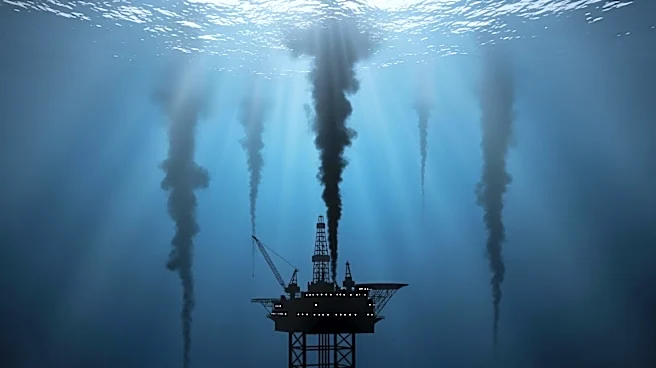
spill began on June 3, 1979, when a blowout occurred at the Ixtoc I exploratory oil well in the Bay of Campeche, Mexico. The blowout was caused by a loss of drilling mud circulation, which led to a rapid increase in pressure and the eventual failure of the blowout preventer. This failure allowed oil to gush uncontrollably into the Gulf of Mexico, marking the start of what would become one of the largest oil spills in history.
Efforts to contain the spill were immediately initiated, but the situation proved challenging. The initial response involved attempts to cap the well and contain the oil using booms and skimmers. However, these efforts were hampered by the sheer volume of oil being released and the technical difficulties associated with capping a well at such depths. As a result, the spill continued for several months, releasing vast quantities of oil into the marine environment.
The Environmental Impact
The environmental impact of the Ixtoc I oil spill was profound. The oil spread over a large area of the Gulf of Mexico, affecting marine life and coastal ecosystems. The spill had devastating effects on the local wildlife, particularly seabirds, fish, and marine mammals, which were exposed to the toxic effects of the oil. The oil also reached the shores of Texas, causing significant damage to the coastal environment and affecting local communities dependent on fishing and tourism.
The spill highlighted the vulnerability of marine ecosystems to oil pollution and underscored the need for improved oil spill response strategies. The Ixtoc I disaster served as a wake-up call for the oil industry and environmental agencies, prompting a reevaluation of existing practices and the development of more effective response technologies.
Lessons Learned and Legacy
The Ixtoc I oil spill left a lasting legacy on oil spill management and environmental policy. In the aftermath of the spill, there was a renewed focus on improving blowout preventer technology and developing more effective oil spill response techniques. The disaster also led to increased collaboration between countries in the Gulf of Mexico region to address oil spill preparedness and response.
The Ixtoc I spill remains a significant case study in the history of oil spills, serving as a reminder of the potential environmental consequences of offshore drilling. It underscores the importance of rigorous safety measures and the need for ongoing research and development in oil spill prevention and response technologies. The lessons learned from the Ixtoc I spill continue to inform current practices and policies aimed at minimizing the risk and impact of future oil spills.