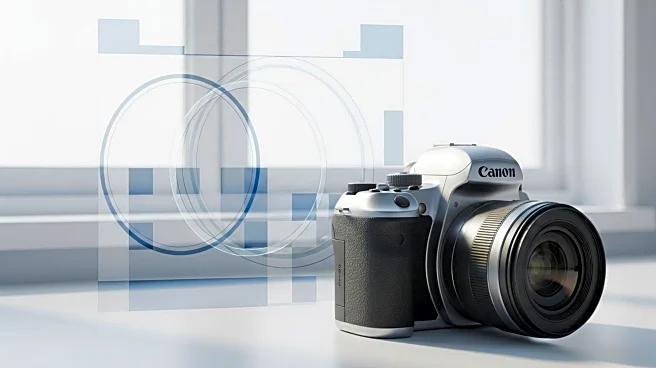
Digital photography has revolutionized the way images are captured, stored, and shared. Unlike traditional film photography, digital photography allows for immediate review and deletion of images, which conserves storage space and enables photographers to assess lighting and composition on the spot. The process of transferring high-resolution RAW files from a memory card is significantly faster than scanning film, making digital photography a more efficient choice for many.
Core Facts
Digital photography involves capturing images using electronic sensors rather than film. This technology allows for faster image ingest, meaning high-resolution files can be transferred quickly from memory cards. The immediacy of digital photography enables photographers to review and delete images instantly, optimizing storage and allowing for immediate adjustments in lighting and composition.
Notable Details
One of the key advantages of digital photography is the faster workflow it offers. Management, manipulation, and printing tools are more versatile compared to conventional film processes. However, batch processing of RAW files can still be time-consuming, even on fast computers. The resolution of digital images is measured in pixels, with the total number of pixels calculated by multiplying the width by the height of the image.
Comparisons and Contrasts
Digital photography contrasts sharply with traditional film photography in terms of speed and convenience. While film requires development and scanning, digital images can be processed and shared almost instantaneously. The use of flash in digital photography can also provide different lighting effects, adding to the versatility of this medium.
Key Data Points
The resolution of digital images is a critical data point, often expressed in megapixels. For example, an image measuring 1600 x 1200 pixels contains 1.92 million pixels, or 1.92 megapixels. This measurement is crucial for determining the quality and detail of digital photographs.