



Laguna Seca, a seasonal lake in Santa Clara County, California, has a rich history that dates back to the late 18th century. Known for its ecological significance, the lake has undergone various transformations over the years. This article explores the historical evolution of Laguna Seca, highlighting key milestones and changes that have shaped its current state.
Early History and Land Grants
The first written historical account of Laguna Seca, referred to as "La Laguna Zeca" or "the
dry lake," was documented on October 31, 1797. The lake's name reflects its seasonal nature, as it occasionally dries up during drought years. In 1834, Rancho Laguna Seca, a Mexican land grant, was established, presumably named after the lake. The grant was made to Juan Alvires by Governor José Figueroa, marking an important chapter in the area's history.
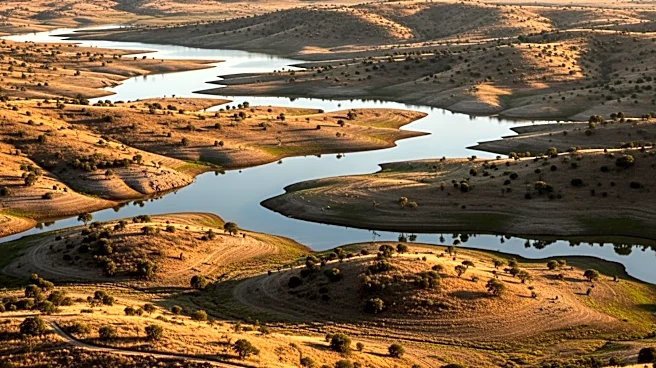
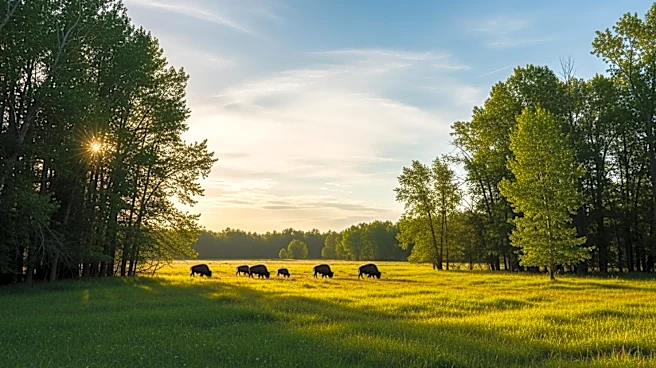
Historically, Laguna Seca was an approximately 1,000-acre spring-fed perennial wetland mosaic, consisting of flooded wet meadows and smaller freshwater marshes. This rich ecosystem supported a variety of wildlife and played a crucial role in the region's hydrology. However, significant changes were on the horizon as human activities began to alter the landscape.
Agricultural Transformation
Between 1916 and 1917, Laguna Seca underwent a major transformation as it was largely filled in to permit agriculture. This shift marked a turning point in the lake's history, as the natural wetland was altered to accommodate farming needs. The filling of Laguna Seca was driven by the demand for agricultural land, reflecting broader trends in land use during the early 20th century.
Despite these changes, remnants of Laguna Seca still exist today, bordered by Santa Teresa Boulevard and located at the north end of Coyote Valley. The marshes and lagunas formed as the bedrock of the Santa Teresa Hills forced groundwater to the surface, creating springs and seeps. These geological features continue to influence the area's hydrology and ecology.
Modern-Day Significance
Today, Laguna Seca remains an important ecological asset, hosting endangered species and serving as a stopover for migrating waterfowl. The lake's waters are ponded above the surface from December to May, but remain near the surface year-round. This seasonal pattern reflects the lake's historical nature and its ongoing role in supporting biodiversity.
Efforts to restore Laguna Seca offer opportunities to revive its natural wetland functions and enhance its ecological value. By focusing on hydrologic restoration and habitat enhancement, Laguna Seca could continue to support a wide range of species and provide essential ecosystem services. The lake's historical evolution underscores the dynamic interplay between human activities and natural processes, shaping its current state and future potential.