






In the world of music, silence can be just as powerful as sound. This is where musical rests come into play. Rests are intervals of silence in a piece of music, marked by specific symbols that indicate the length of the silence. Each rest corresponds to a particular note value, guiding musicians on how long the silence should last. This article delves into the concept of musical rests, their types, and their role in compositions.
The Basics of Musical Rests
Musical rests are
essential components of musical notation, representing the absence of sound for a defined period. Each rest symbol corresponds to a specific note value, such as a quarter note or a whole note, and indicates how long the silence should last. This system allows composers to create rhythm and dynamics within a piece by strategically placing rests alongside notes.
The length of a rest is generally a multiplier of a measure or a whole note. For instance, a whole rest, also known as a semibreve rest, typically lasts for the duration of an entire measure, regardless of the time signature. This standardization helps musicians maintain the intended rhythm and flow of the composition.
Types of Rests and Their Symbols
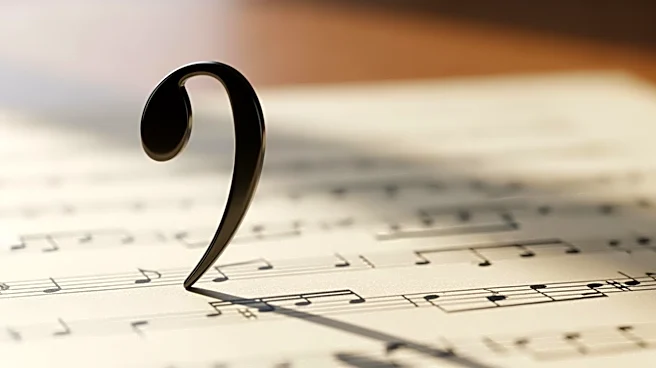
There are various types of rests, each with its own symbol and duration. A whole rest is represented by a small rectangle hanging from the fourth line of the staff, while a half rest sits on the third line. Quarter rests, eighth rests, and sixteenth rests have their own unique symbols, each indicating progressively shorter durations of silence.
In addition to these basic rests, there are also dotted rests, which increase the duration of the rest by half. Although less common than dotted notes, dotted rests are occasionally used in modern music, particularly in compound meters like 6/8 or 12/8. These variations allow composers to add complexity and nuance to their music.
The Role of Rests in Musical Composition
Rests play a crucial role in shaping the structure and emotional impact of a musical piece. By incorporating rests, composers can create tension, anticipation, and contrast within their compositions. For example, a well-placed rest can heighten the impact of a subsequent note or phrase, drawing the listener's attention to a particular moment.
In ensemble music, rests are also used to coordinate the timing of different instruments. A general pause, indicated by "G.P." in the score, signals a moment of silence for the entire ensemble. This ensures that all musicians resume playing simultaneously, maintaining the cohesion and balance of the performance.
In conclusion, musical rests are vital elements of musical notation, providing structure and depth to compositions. By understanding the different types of rests and their functions, musicians can better interpret and perform the music as intended by the composer.