




Freshwater aquariums have a rich history that dates back thousands of years. These water-filled tanks have evolved significantly over time, from simple fish ponds to the sophisticated aquariums we see today. This article explores the historical development of freshwater aquariums, highlighting key milestones and innovations that have shaped their evolution.
Early Beginnings
The concept of keeping fish in a controlled environment dates back to ancient civilizations.
The earliest known aquariums were artificial fish ponds constructed by the ancient Sumerians over 4,500 years ago. These ponds were primarily used for food and entertainment purposes. Similarly, the ancient Assyrians, Egyptians, and Romans also kept fish in ponds, showcasing the long-standing human fascination with aquatic life.
The ancient Chinese were pioneers in fish breeding, raising carp for food around 2000 BC. Through selective breeding, they developed ornamental goldfish, which were later introduced to Europe in the 18th century. This marked a significant milestone in the history of aquariums, as it laid the foundation for the ornamental fishkeeping hobby that would flourish in later centuries.
The Rise of Modern Aquariums
The 18th and 19th centuries saw a surge in public interest in the study of nature, leading to the development of modern aquariums. During this period, fish were kept in glass jars, porcelain containers, and small artificial ponds. Johann Matthaeus Bechstein, a zoologist and botanist, played a crucial role in laying the foundation for aquarium and terrarium science.
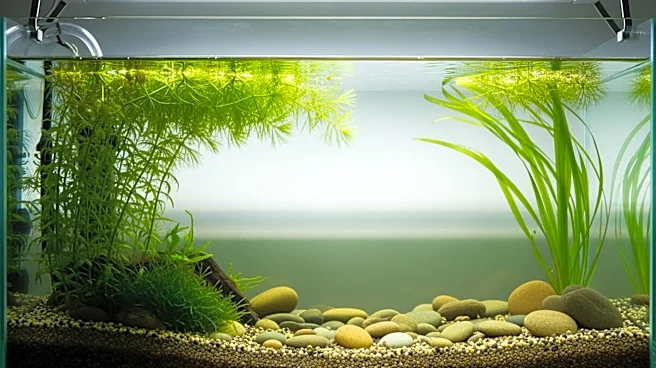
The concept of the "balanced aquarium" emerged in the 19th century, aiming to mimic a natural ecosystem. This approach involved using plants to consume fish waste and supply oxygen, creating a self-sustaining environment. The introduction of tropical fish, such as the Paradise Fish from Asia, further fueled the popularity of aquariums, although early filters were noisy and expensive, making fishkeeping a hobby for the wealthy.
Technological Advancements
The 20th century brought significant technological advancements to the aquarium hobby. Aeration, particulate, and charcoal filtration systems were introduced, improving water quality and making aquariums more accessible to the general public. The development of undergravel filters in the 1950s further enhanced the filtration process.
Today, fishkeeping is a popular hobby enjoyed by millions worldwide. Captive-bred species are widely available and affordable, reducing the risk of disease and parasites. However, successive generations of inbred fish often lack the vibrant colors and larger fins of their wild counterparts. Despite these challenges, the evolution of freshwater aquariums continues, driven by a passion for aquatic life and a desire to recreate natural habitats in our homes.