

Kojic acid is an intriguing compound that originates from the fermentation process of malting rice, primarily used in the production of sake, the traditional Japanese rice wine. This organic compound, produced by fungi such as Aspergillus oryzae, has found its way from the world of fermentation into the realm of skincare. This article explores the journey of kojic acid from its natural origins to its widespread use in cosmetics.
Origins in Fermentation
Kojic acid is a by-product
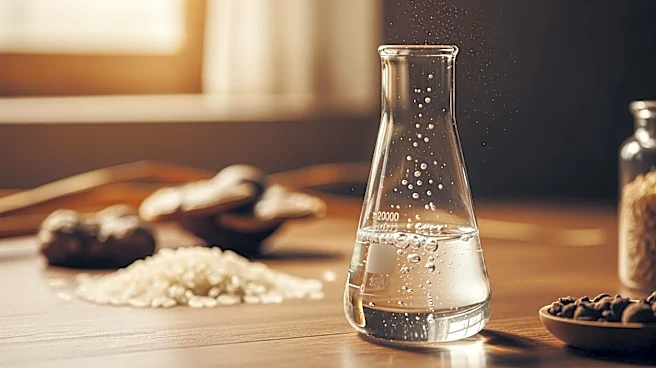
of the fermentation process involved in malting rice. This process is essential for the production of sake, where Aspergillus oryzae, commonly known as koji, plays a crucial role. The fungus breaks down the starches in rice, converting them into sugars that are then fermented to produce alcohol. During this process, kojic acid is produced as a secondary metabolite.
The production of kojic acid is not limited to sake fermentation. It is also synthesized through other pathways, as revealed by 13C-labeling studies. These studies have shown that dehydratase enzymes can convert glucose to kojic acid, with pentoses serving as viable precursors. This versatility in production pathways highlights the adaptability of kojic acid synthesis in nature.
Transition to Skincare
The transition of kojic acid from fermentation to skincare is driven by its ability to inhibit melanin formation. This property makes it an attractive ingredient for cosmetic products aimed at lightening skin and reducing pigmentation. Kojic acid's effectiveness in treating conditions like melasma has contributed to its popularity in the skincare industry.
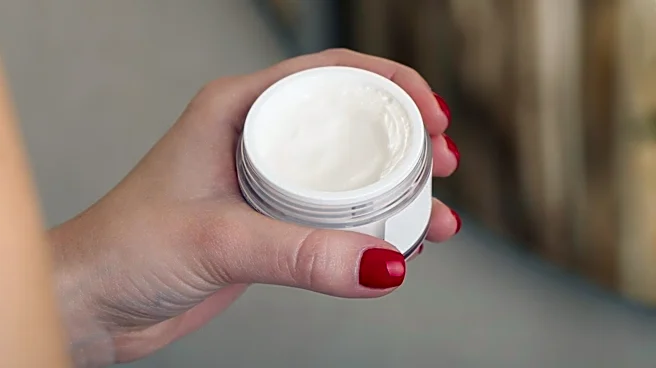
In addition to its skin-lightening effects, kojic acid offers antibacterial and antifungal properties, further enhancing its appeal in cosmetics. These properties make it a multifunctional ingredient, providing both aesthetic and protective benefits to the skin. As a result, kojic acid has become a staple in many skincare formulations, from creams to serums.
The Science Behind Its Use
Kojic acid's ability to form a bright red complex with ferric ions is a key aspect of its chemical behavior. This reaction may play a role in its biological function, potentially aiding in the solubilization of ferric iron. Such interactions could contribute to its effectiveness in skincare, offering additional benefits beyond pigmentation reduction.
Despite its benefits, the use of kojic acid in cosmetics is subject to safety considerations. While some studies suggest it may be weakly carcinogenic, it is generally considered safe at the concentrations used in skincare products. Consumers are encouraged to use kojic acid-containing products as directed and to monitor for any adverse reactions.
Kojic acid's journey from fermentation to skincare exemplifies the innovative use of natural compounds in cosmetics. Its multifaceted properties continue to make it a valuable ingredient for those seeking to enhance their skin's appearance and health.