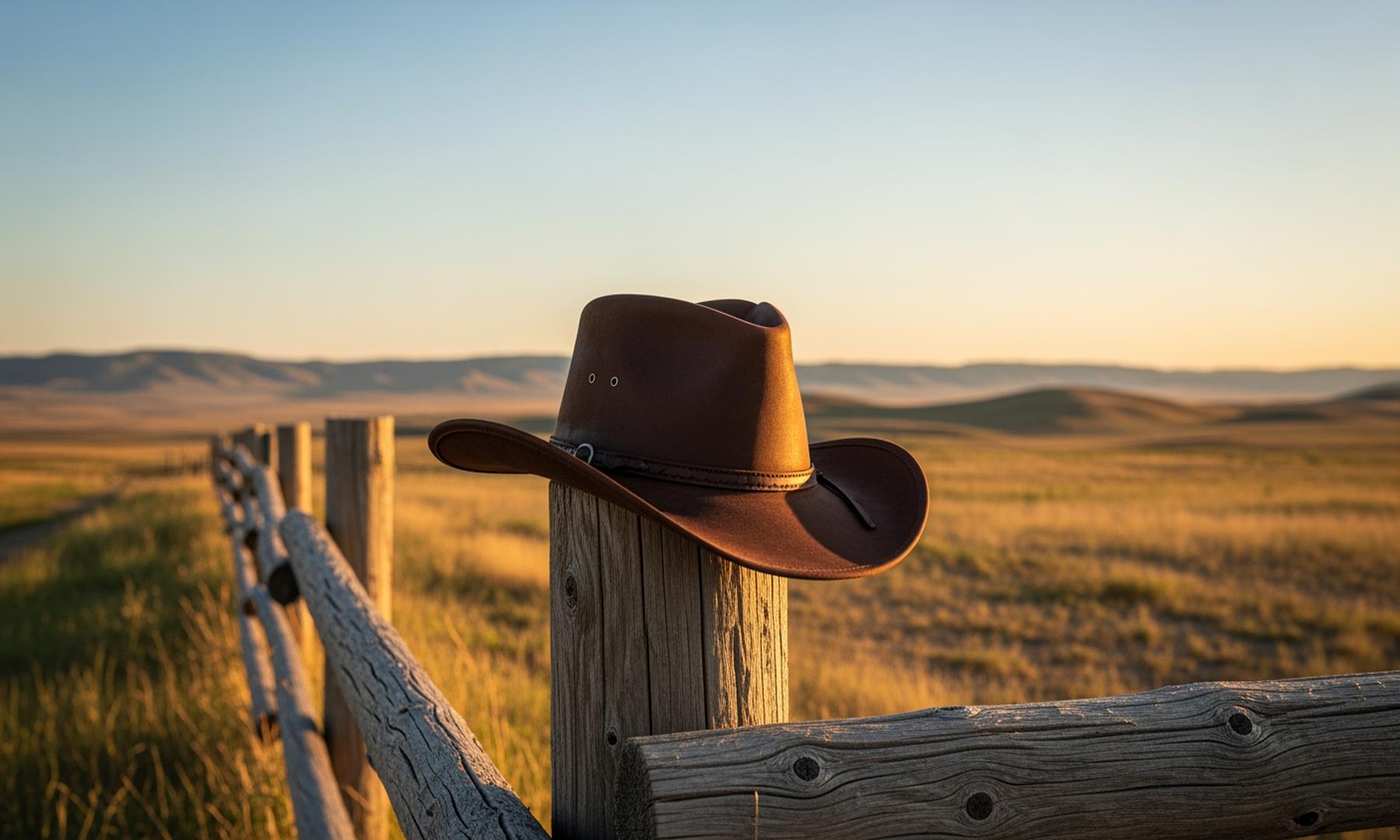




Buffalo Bill, born William Frederick Cody, was a legendary figure in American history, known for his roles as a soldier, bison hunter, and showman. His life and career encapsulate the spirit of the American Old West, and his influence extended far beyond
his lifetime. This article delves into the life of Buffalo Bill, exploring his early years, his rise to fame, and his enduring legacy.
Early Life and Career
Buffalo Bill was born on February 26, 1846, in Le Claire, Iowa Territory. His early life was marked by hardship and adventure. After his father's death, Cody began working at a young age to support his family. He took on various jobs, including riding for the Pony Express at the age of 15. His experiences during the American Civil War, where he served the Union, and later as a civilian scout during the Indian Wars, shaped his skills and reputation as a frontiersman.
Cody's early career was characterized by his work as a scout and hunter. He was awarded the Medal of Honor in 1872 for his actions during the Indian Wars, although it was later rescinded and then reinstated in 1989. His prowess as a buffalo hunter earned him the nickname "Buffalo Bill," a moniker that would become synonymous with his larger-than-life persona.
Rise to Fame
Buffalo Bill's fame skyrocketed with the creation of his Wild West show in 1883. The show was a spectacle that brought the American frontier to audiences across the United States and Europe. It featured reenactments of historical events, displays of horsemanship, and performances by notable figures such as Annie Oakley and Sitting Bull.
The Wild West show was not just entertainment; it was a cultural phenomenon that shaped perceptions of the American West. Cody's ability to blend fact and fiction captivated audiences and solidified his status as a cultural icon. The show toured extensively, and its success made Buffalo Bill a household name.
Legacy and Impact
Buffalo Bill's impact on American culture and history is profound. He played a significant role in popularizing the mythology of the Wild West, influencing countless films, books, and other media. His showmanship and storytelling helped create a romanticized image of the frontier that persists to this day.
Beyond entertainment, Cody was also a conservationist and advocate for Native American rights. He employed many Native Americans in his shows, providing them with opportunities and a platform to share their culture. His respect for Native American traditions and his efforts to preserve the bison population reflect a complex legacy that goes beyond his public persona.
Buffalo Bill's life and career continue to be studied and celebrated, highlighting the enduring fascination with the American West and its legendary figures. His contributions to American culture and history remain significant, ensuring that his legacy lives on for future generations.