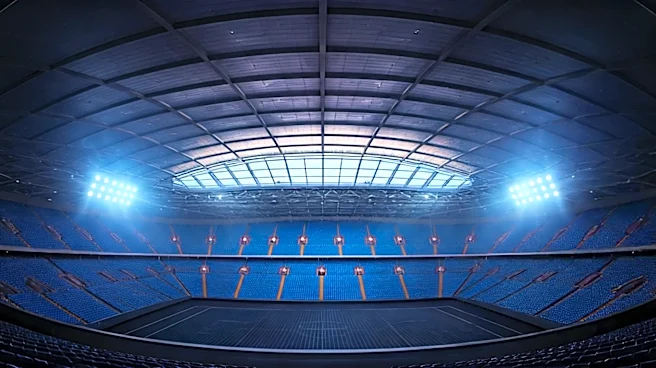

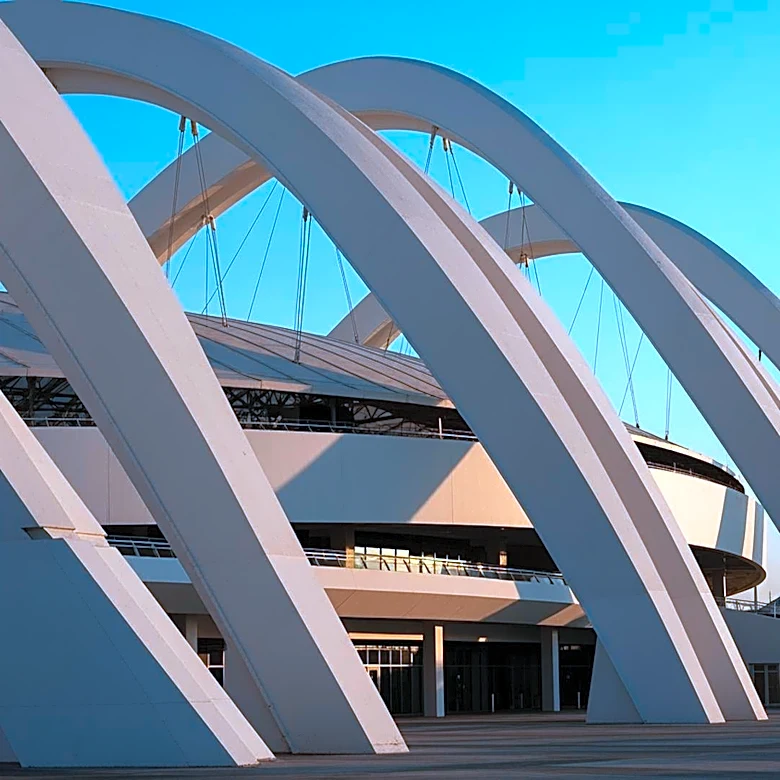



Allianz Arena, a prominent football stadium in Munich, Germany, has undergone significant changes in ownership and management since its inception. This article traces the evolution of the arena's ownership, highlighting key developments and their impact on the stadium's operations.
Initial Joint Ownership
When Allianz Arena was first commissioned, it was owned equally by two football clubs: Bayern Munich and TSV 1860 Munich. The ownership was managed by Allianz Arena München
Stadion GmbH, a company founded in 2001. This joint ownership allowed both clubs to share the stadium's facilities and revenue, fostering a collaborative relationship between the two teams.
However, financial difficulties soon arose for TSV 1860 Munich. In 2006, the club faced a serious financial crisis that threatened its solvency. To avoid bankruptcy, TSV 1860 Munich sold its 50 percent share in the arena to Bayern Munich for €11 million. This transaction marked a significant shift in the ownership structure, with Bayern Munich becoming the majority stakeholder.
Bayern Munich's Sole Ownership
Following the acquisition of TSV 1860 Munich's share, Bayern Munich became the sole owner of Allianz Arena. This change in ownership allowed Bayern Munich to have complete control over the stadium's operations and management. The club's financial stability and success on the field further strengthened its position as the sole proprietor of the arena.
In July 2017, Bayern Munich terminated the rental contract with TSV 1860 Munich, making itself the exclusive tenant of Allianz Arena. This decision was a culmination of the evolving ownership dynamics and reflected Bayern Munich's growing influence and independence in managing the stadium.
Impact on Stadium Operations
The shift to sole ownership by Bayern Munich had a significant impact on Allianz Arena's operations. With full control over the stadium, Bayern Munich was able to implement changes and improvements that aligned with its vision and goals. This included enhancing the stadium's facilities, increasing seating capacity, and expanding its commercial activities.
Bayern Munich's ownership also allowed for greater flexibility in hosting events and managing the stadium's schedule. The club's financial resources and strategic planning ensured that Allianz Arena remained a top-tier venue for both domestic and international events.
In conclusion, the evolution of Allianz Arena's ownership reflects the changing dynamics of football club management and the importance of financial stability. Bayern Munich's transition to sole ownership has enabled the club to maximize the stadium's potential, ensuring its continued success as a premier sports venue.