
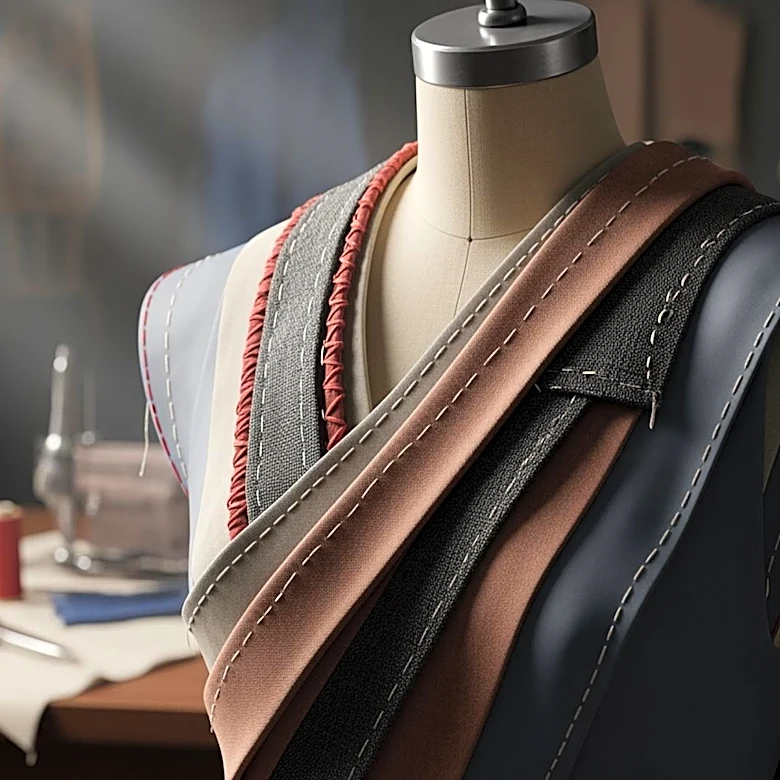



Costume design is a vital component of theatrical and cinematic productions, playing a crucial role in bringing characters and stories to life. This art form involves the creation or selection of clothing that enhances the visual narrative and helps define the characters' personalities, status, and historical context. Costume designers work closely with directors and other creatives to ensure that the costumes align with the overall vision of the production.
This article delves into the intricate process of costume design and its impact on performance and storytelling.
The Design Process
The costume design process begins with a thorough analysis of the script, musical composition, or choreography. Designers must understand the narrative, themes, and character arcs to create costumes that support the story. This initial phase involves creating a rough costume plot, which outlines the characters' appearances in each scene and any costume changes required.
Collaboration is a key aspect of the design process. Costume designers meet with directors and other designers to ensure a unified vision for the production. This collaboration helps establish the thematic elements and messages that the costumes should convey. Once the team is aligned, the costume designer embarks on research to gather inspiration and historical context, which informs the design choices.
From Sketch to Fabric
After gathering sufficient information, costume designers begin sketching preliminary designs. These sketches are quick and rough, allowing designers to experiment with different ideas and see how the costumes fit within the overall production. As the design evolves, more detailed sketches are created, focusing on specific costumes and color schemes.
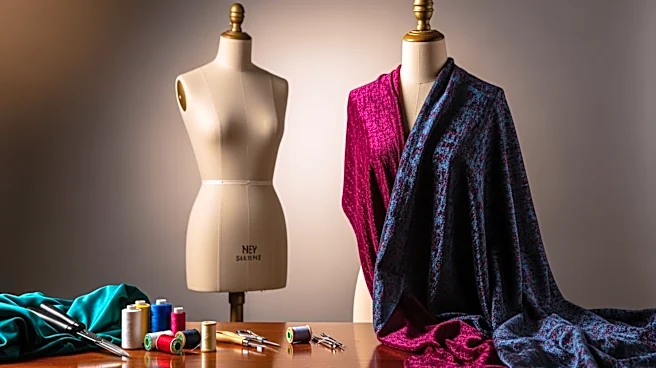
Once the director approves the designs, the costume designer produces final sketches, known as renderings. These are often painted with watercolors or acrylics to provide a clear visual representation of the costumes. The next step is sourcing the materials, which can involve pulling from existing stock, renting, purchasing, or constructing garments from scratch.
The Impact on Performance
Costumes are not just about aesthetics; they significantly influence actors' performances and the audience's perception of the characters. Well-designed costumes help actors embody their roles, providing them with a physical sense of their character's identity. The choice of fabric, color, and style can convey a character's social status, personality, and emotional state.
Moreover, costumes contribute to the visual storytelling of a production. They help establish the time period, setting, and cultural context, enhancing the audience's immersion in the story. A successful costume design seamlessly integrates with the production's visual and spatial elements, creating a cohesive and engaging experience for the audience.
In conclusion, costume design is a complex and collaborative art form that plays a crucial role in theater and film. By carefully crafting costumes that align with the narrative and character development, designers enhance the storytelling and bring the production to life.