







The Maracanã Stadium, a historic venue in Rio de Janeiro, Brazil, has undergone several renovations and modernization efforts to maintain its status as a world-class sports facility. These changes have been crucial in ensuring the stadium meets international standards and continues to host major events. From its initial construction for the 1950 FIFA World Cup to its recent updates for the 2014 World Cup and 2016 Olympics, the Maracanã has evolved
significantly over the decades.
Early Renovations and Capacity Changes
Following its opening in 1950, the Maracanã Stadium quickly became a symbol of Brazilian football. However, as the years passed, the need for modernization became apparent. In 2000, the stadium celebrated its 50th anniversary, prompting a series of renovations aimed at increasing its capacity and improving safety standards. These efforts raised the stadium's capacity to approximately 103,000.
Between 2005 and 2006, the Maracanã underwent another significant renovation, closing for nine months to address safety concerns and update its facilities. When it reopened in January 2007, the stadium featured an all-seated capacity of 87,000, reflecting a shift towards more modern and comfortable seating arrangements.
Major Reconstruction for Global Events
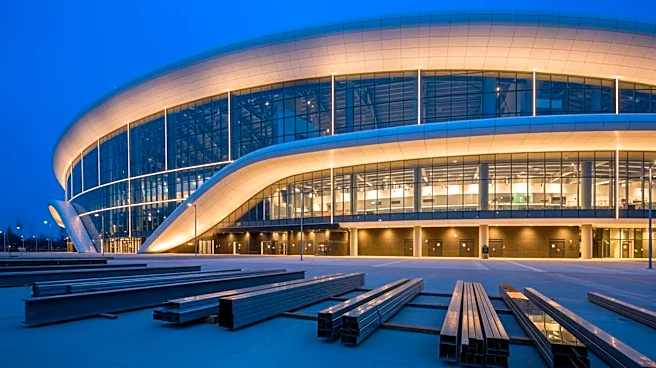
In preparation for the 2014 FIFA World Cup and the 2016 Summer Olympics, the Maracanã Stadium underwent a major reconstruction project starting in 2010. This ambitious effort involved demolishing the original seating bowl and replacing it with a new configuration that could accommodate 78,639 spectators. The renovation also included the installation of a new roof made of fiberglass tensioned membrane, providing better coverage for the majority of seats.
These updates were essential for the stadium to meet the requirements of hosting international events. The new design not only improved the spectator experience but also ensured the Maracanã remained a competitive venue on the global stage. The renovations were completed in time for the 2014 World Cup, where the stadium hosted several matches, including the final.
A Modern Icon
The modernization of the Maracanã Stadium has solidified its status as a premier sports venue in Brazil and South America. The updates have allowed the stadium to continue hosting major events, such as the Copa Libertadores finals and the 2016 Olympics. The Maracanã's ability to adapt and evolve over the years is a testament to its importance in the world of sports.
As the stadium looks to the future, its commitment to modernization ensures it will remain a key player in international sports. The Maracanã's legacy of innovation and adaptation serves as an inspiration for other venues worldwide, highlighting the importance of continuous improvement in maintaining relevance and excellence.