


Chess is a game of strategy and skill, played on a checkered board with distinct pieces that each have their own unique movements and roles. Understanding the function of each chess piece is crucial to mastering the game. This article delves into the roles and movements of the six types of chess pieces: the king, queen, rook, bishop, knight, and pawn.
The King and Queen
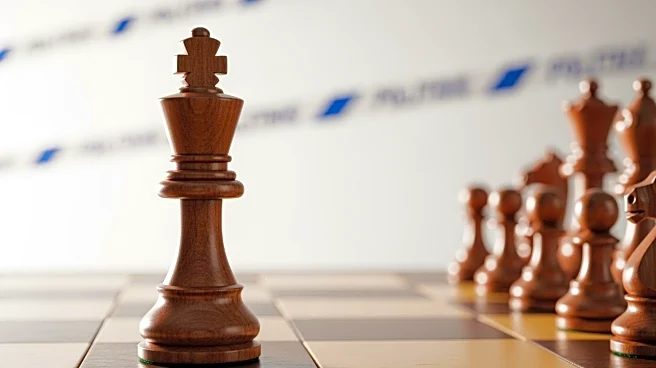
The king is the most important piece in chess, as the objective of the game is to checkmate the opponent's
king. The king can move one square in any direction, making it a versatile but vulnerable piece. Protecting the king is a primary concern for players, as losing the king means losing the game. The king also participates in a special move called castling, which involves moving the king two squares towards a rook and then moving the rook to the square the king crossed.
The queen is the most powerful piece on the board, capable of moving any number of squares vertically, horizontally, or diagonally. This versatility makes the queen a formidable force in both offense and defense. Players often use the queen to control the board and apply pressure on the opponent's pieces. The queen's ability to cover large distances quickly makes it a key piece in executing strategic plans.
Rooks, Bishops, and Knights
Rooks are strong pieces that move any number of squares along a row or column. They are particularly effective in controlling open files and ranks, making them valuable in both the opening and endgame phases. Rooks also play a crucial role in the castling move, which can enhance the king's safety and bring the rook into a more active position.
Bishops move diagonally across the board, staying on squares of the same color throughout the game. This movement allows bishops to control long diagonal lines, making them powerful in open positions. Having a pair of bishops can be advantageous, as they can cover both color complexes and work together to dominate the board.
Knights have a unique movement pattern, moving in an L-shape: two squares in one direction and then one square perpendicular. This allows knights to jump over other pieces, making them particularly useful in closed positions where other pieces might be blocked. Knights are often used to control central squares and create tactical opportunities.
The Pawn's Journey
Pawns are the most numerous pieces on the board, with each player starting with eight. They move forward one square but capture diagonally, making them unique in their movement. Pawns can move two squares forward on their first move, and they have the special ability to capture en passant under certain conditions.
A pawn's journey is often about promotion. When a pawn reaches the opponent's back rank, it can be promoted to any other piece, usually a queen. This potential for promotion makes pawns valuable despite their limited movement. Managing pawns effectively is a key aspect of chess strategy, as they can create strongholds, open lines, and support other pieces.
Understanding the roles and movements of chess pieces is fundamental to playing chess effectively. Each piece has its strengths and weaknesses, and mastering their use is essential for developing winning strategies.