





Indigo dye, known for its deep blue color, has played a significant role in the cultural and symbolic practices of various societies throughout history. From ancient rituals to modern fashion, indigo has left an indelible mark on cultures around the world. This article explores the cultural impact of indigo dye, highlighting its symbolic meanings and uses across different regions.
Indigo in Ancient Cultures
In ancient times, indigo dye was more than just a colorant; it held symbolic meanings and was used in various cultural practices. In Mesopotamia, indigo-dyed wool was associated with luxury and status. The Romans used indigo not only as a pigment for painting but also for medicinal and cosmetic purposes, indicating its multifaceted role in their society.In Egypt, indigo was used to dye the skin, a practice that continues
in some regions today. The dye's deep blue color was associated with protection and was used in rituals to ward off evil spirits. Similarly, in West Africa, indigo-dyed textiles were a symbol of wealth and status, with the dyeing process often carried out by skilled women artisans.
Indigo in Asian Traditions
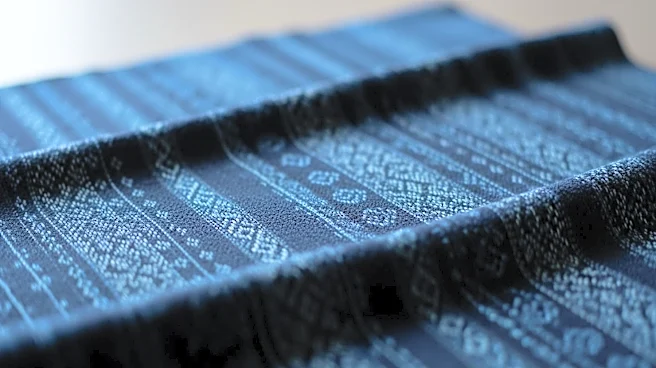
Indigo dye has also been an integral part of Asian cultures, particularly in India, China, and Japan. In India, indigo was cultivated and processed for centuries, becoming a major export to Europe and the Mediterranean. The dye was used in traditional textiles and clothing, with its vibrant blue color symbolizing purity and spirituality.In Japan, indigo became especially important during the Edo period, when commoners were banned from wearing silk. This led to the increased cultivation of cotton and indigo, as indigo was one of the few substances that could dye cotton effectively. The dye was used in traditional Japanese textiles, such as kimonos, and became a symbol of Japanese craftsmanship and artistry.
Modern Influence of Indigo
Today, indigo continues to influence modern fashion and design. The dye is most commonly associated with denim and blue jeans, a staple in contemporary wardrobes worldwide. The cultural significance of indigo has transcended its historical roots, becoming a symbol of casual style and individuality.Despite the prevalence of synthetic indigo, the cultural impact of natural indigo dye remains strong. Artisans and designers continue to explore traditional dyeing techniques, preserving the rich cultural heritage associated with indigo. As a result, indigo dye continues to be a powerful symbol of cultural identity and artistic expression across the globe.