


The AMC Javelin, a muscle car produced by American Motors Corporation from 1968 to 1974, played a significant role in the Trans-Am racing series. Known for its powerful engines and competitive design, the Javelin was driven by some of the most notable racers of the era. This article explores the Javelin's contributions and achievements in the world of Trans-Am racing.
Racing Debut and Achievements
The AMC Javelin made its racing debut in the Trans-Am Series between 1970 and 1972.
During this period, the car was driven by renowned racers such as Mark Donohue, George Follmer, Vic Elford, and Peter Revson. These drivers helped the Javelin achieve numerous successes on the track, showcasing its capabilities as a competitive racing machine.
Equipped with a 450 horsepower Eagle V8 engine and a four-speed manual transmission, the Javelin was designed for high-speed performance. Its monocoque steel chassis and ventilated disc brakes provided the necessary stability and control for racing conditions. The car's suspension system, featuring double wishbone front suspension and a rigid rear axle, further enhanced its handling.
Engineering and Design
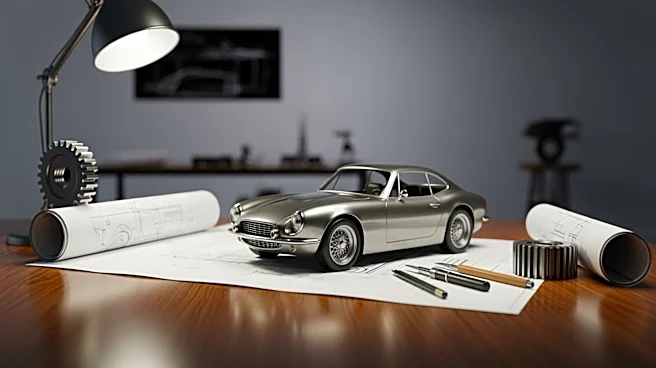
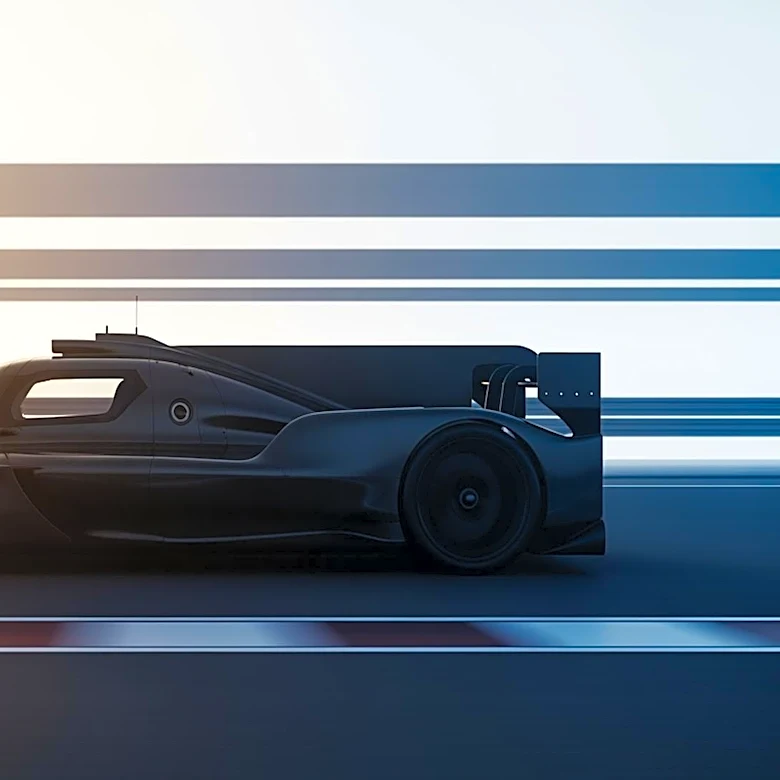
The Javelin's engineering and design were crucial to its success in the Trans-Am Series. The car's aerodynamic shape and powerful engine allowed it to compete effectively against other muscle cars of the time. Its ventilated disc brakes and advanced suspension system contributed to its performance on the track.
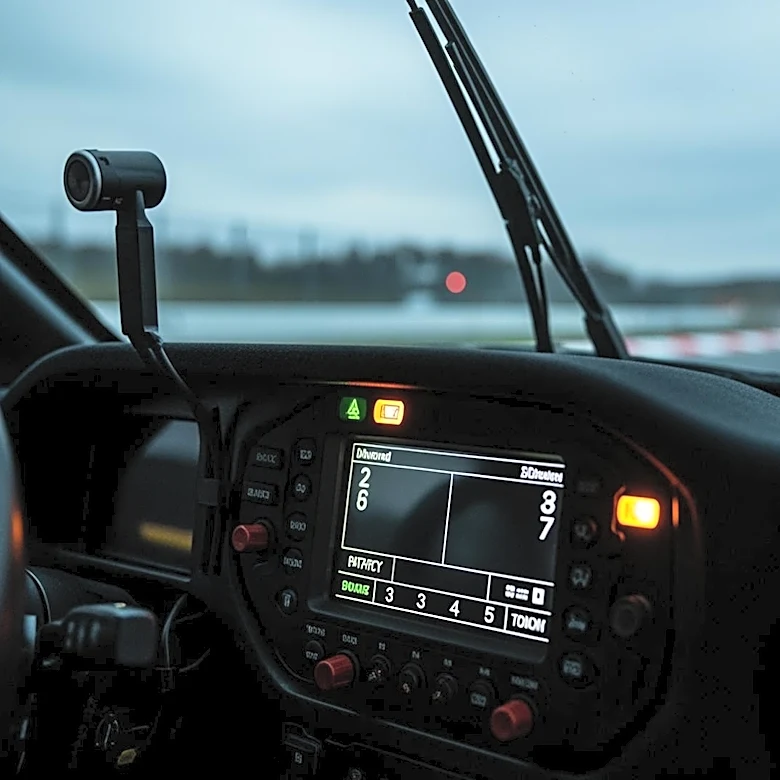
The Javelin's interior was designed with the driver in mind, offering comfort and control during races. The combination of power, design, and engineering made the Javelin a formidable competitor in the Trans-Am Series, earning it a place in racing history.
Legacy in Racing
The AMC Javelin's participation in the Trans-Am Series left a lasting impact on the racing world. Its successes on the track demonstrated the capabilities of American muscle cars and solidified the Javelin's reputation as a competitive racing vehicle. The achievements of drivers like Mark Donohue and George Follmer contributed to the car's legacy, making it a sought-after model among collectors and enthusiasts.
The Javelin's role in Trans-Am racing highlights the importance of engineering and design in achieving success on the track. Its legacy continues to inspire racing enthusiasts and serves as a testament to the capabilities of American muscle cars.