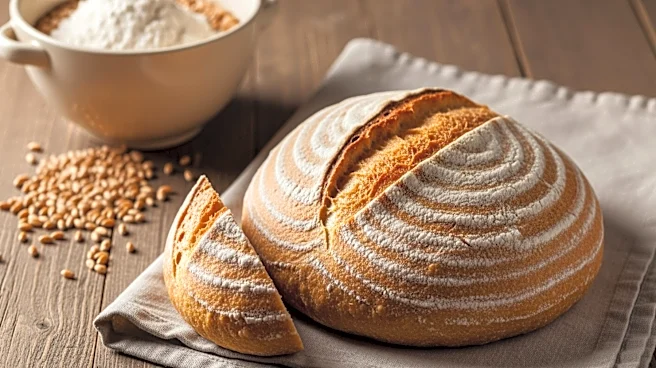







Sourdough bread is a staple that has been enjoyed for centuries, tracing its roots back to ancient Egypt. This unique bread, made using a natural fermentation process, has evolved over time and gained popularity in various regions, particularly in San Francisco during the Gold Rush. The distinct flavor of sourdough is attributed to the Lactobacillus sanfrancisco bacteria, which plays a crucial role in its fermentation.
Ancient Origins and Early Development
Sourdough bread's history begins
in ancient Egypt, where it was first developed using wild yeast and bacteria. The Egyptians discovered that allowing dough to ferment naturally resulted in a flavorful and durable bread. This method of bread-making spread across Europe, where it became a common practice. The natural fermentation process not only enhanced the taste but also improved the bread's shelf life, making it a valuable food source.
As sourdough bread made its way through Europe, different regions adapted the recipe to suit local tastes and ingredients. The use of wild yeast and bacteria remained a constant, ensuring the bread retained its unique flavor profile. This traditional method of bread-making laid the foundation for sourdough's enduring popularity.
Sourdough in San Francisco: A Gold Rush Staple
The California Gold Rush of 1849 marked a significant turning point for sourdough bread. As gold miners flocked to San Francisco, they brought with them the need for durable and easy-to-make food. Sourdough bread quickly became a staple in mining camps due to its long shelf life and the ease of obtaining yeast for fermentation.
San Francisco's unique climate contributed to the development of a distinct sourdough flavor, thanks to the presence of Lactobacillus sanfrancisco bacteria. This local strain of bacteria, along with wild yeast, became the hallmark of San Francisco sourdough. Bakers in the area carefully maintained their sourdough starters, known as "mother sponges," to preserve the traditional flavor.
Modern-Day Sourdough and Its Cultural Impact
Today, sourdough bread continues to be a beloved food item, celebrated for its rich history and unique taste. Artisan bakeries have embraced the traditional methods of sourdough production, often using starters that have been passed down through generations. The bread's cultural significance is evident in its widespread popularity and the pride bakers take in crafting it.
Sourdough's influence extends beyond the culinary world, as it represents a connection to the past and a commitment to preserving traditional food practices. Its resurgence in recent years highlights a growing appreciation for artisanal foods and the craftsmanship involved in their creation. As sourdough bread continues to evolve, it remains a testament to the enduring appeal of time-honored traditions.