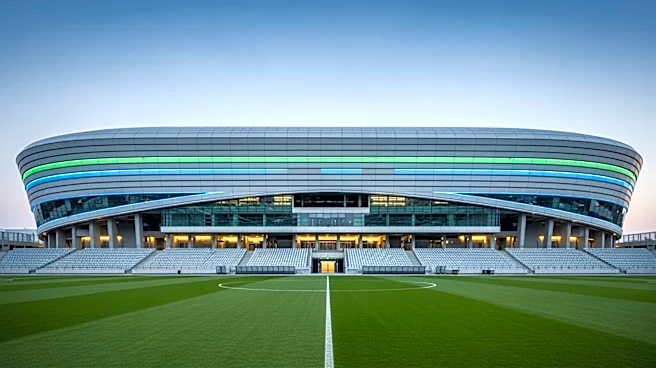

Arena das Dunas played a significant role in the 2014 FIFA World Cup, hosting four crucial matches in the tournament. Located in Natal, Brazil, the stadium was one of the twelve venues selected for the World Cup, showcasing
its modern design and capacity to accommodate international events. The stadium's involvement in the World Cup not only highlighted its architectural prowess but also its importance in the global football community.
Matches Hosted
During the 2014 FIFA World Cup, Arena das Dunas hosted four group stage matches, each drawing significant attention from fans and media alike. The first match took place on June 13, 2014, between Mexico and Cameroon, with Mexico securing a 1-0 victory. This match set the tone for the stadium's role in the tournament, providing an exciting atmosphere for both players and spectators.
The second match, held on June 16, 2014, saw the United States face off against Ghana. The United States emerged victorious with a 2-1 win, further solidifying Arena das Dunas as a venue capable of hosting high-stakes international matches. The stadium's design and facilities were praised for enhancing the overall experience for fans and players.
Memorable Moments
One of the most memorable matches at Arena das Dunas was the goalless draw between Japan and Greece on June 19, 2014. Despite the lack of goals, the match was filled with tension and excitement, as both teams fought hard to secure a win. The stadium's atmosphere contributed to the intensity of the game, with fans from both countries passionately supporting their teams.
The final match hosted at Arena das Dunas during the World Cup was a Group D clash between Italy and Uruguay on June 24, 2014. Uruguay's 1-0 victory over Italy was a pivotal moment in the tournament, as it led to Italy's elimination from the World Cup. This match was attended by 39,706 spectators, showcasing the stadium's ability to handle large crowds and high-pressure situations.
Legacy of the World Cup
The successful hosting of these matches at Arena das Dunas left a lasting legacy for the stadium and the city of Natal. The World Cup brought international attention to the venue, highlighting its modern design and capacity to host major events. The tournament also boosted local tourism and economic development, as visitors from around the world flocked to Natal to witness the matches.
Arena das Dunas' role in the 2014 FIFA World Cup demonstrated its significance as a world-class sports venue. The stadium continues to host various events, building on the legacy of the World Cup and contributing to the cultural and economic growth of the region.