






The telephone has been a cornerstone of modern communication, transforming the way people connect and interact across distances. From its early days as a novel invention to its current status as an indispensable tool, the telephone has played a significant role in shaping communication practices worldwide. This article explores the cultural and social impact of the telephone, highlighting its influence on personal, business, and global communication.
The Telephone's Influence on Personal Communication
The introduction of the telephone revolutionized personal communication by enabling real-time conversations between individuals separated by distance. Before the telephone, communication was limited to written correspondence, which could take days or even weeks to reach its destination. The telephone allowed people to connect instantly, fostering closer relationships and more frequent interactions.
As the telephone became more accessible, it changed the dynamics of personal communication. Families and friends could maintain connections despite geographical barriers, and long-distance relationships became more feasible. The telephone also played a role in reducing social isolation, providing a means for individuals to reach out and connect with others.
The Impact on Business Communication
The telephone's impact on business communication has been profound, facilitating faster and more efficient interactions between companies, clients, and partners. In the early days of the telephone, businesses quickly recognized its potential to streamline operations and improve customer service. The ability to conduct conversations in real-time allowed for quicker decision-making and problem-solving.
As telephone technology advanced, businesses adopted new communication tools, such as conference calls and call centers, to enhance their operations. The telephone became an essential tool for sales and marketing, enabling companies to reach a wider audience and build stronger customer relationships. In today's digital age, the telephone remains a vital component of business communication, integrated with other technologies to provide seamless connectivity.
The Globalization of Communication
The telephone has played a crucial role in the globalization of communication, breaking down geographical barriers and connecting people across the world. The development of international telephone networks allowed for cross-border communication, facilitating global trade and cultural exchange. As a result, the telephone has contributed to the interconnectedness of the global economy and the spread of ideas and information.
In recent years, the rise of mobile and internet-based telephony has further expanded the reach of communication. Mobile phones and smartphones have made it possible for people to stay connected virtually anywhere, while internet-based services like VoIP have enabled cost-effective international communication. These advancements have democratized access to communication, allowing individuals and businesses in remote areas to participate in the global conversation.
The Telephone in the Digital Age
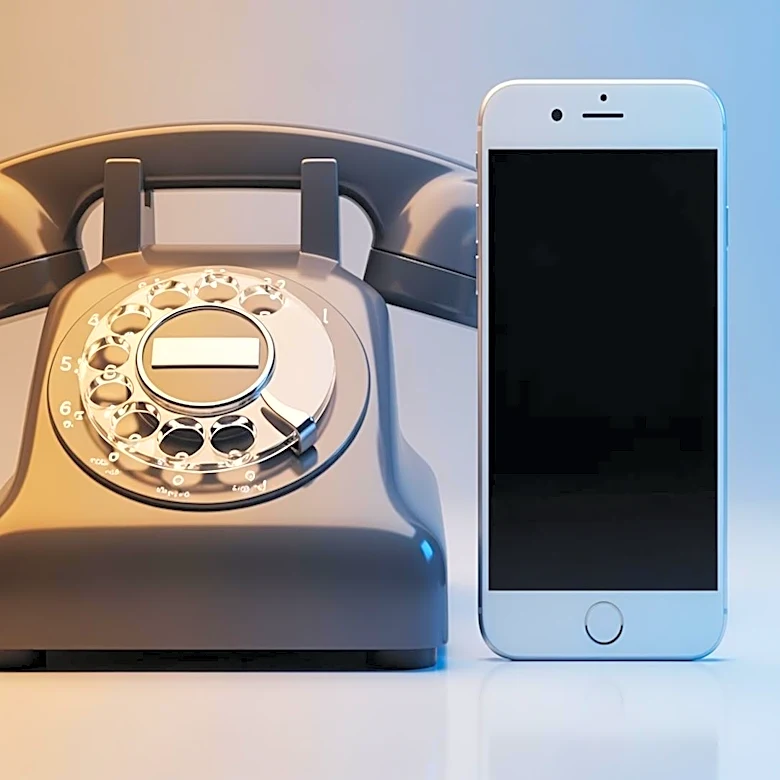
In the digital age, the telephone has evolved to incorporate new technologies and services, enhancing its role in modern communication. Smartphones, which combine the functions of a telephone and a computer, have become the dominant form of telephony, offering a wide range of communication options, including voice calls, text messaging, and internet-based messaging apps.
The integration of digital technology has also led to the development of new communication platforms, such as video calls and social media, which have further transformed the way people connect. The telephone's ability to adapt to changing communication needs has ensured its continued relevance in an increasingly digital world.
In conclusion, the telephone has had a lasting impact on modern communication, shaping the way people connect and interact across distances. From personal relationships to global business operations, the telephone has facilitated faster, more efficient communication, breaking down barriers and fostering a more interconnected world. As technology continues to evolve, the telephone will remain a vital tool for communication, adapting to meet the changing needs of society.