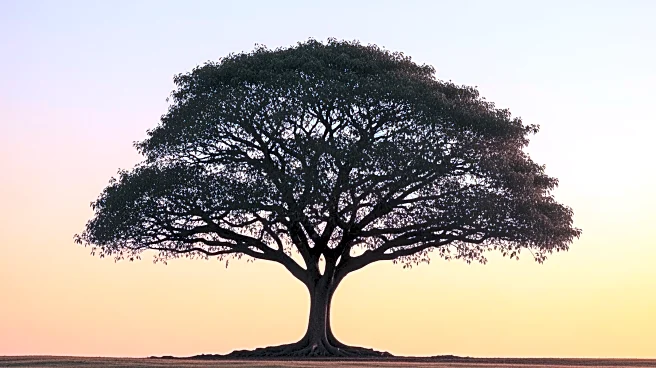




Tree Pose, or Vrikshasana, is a well-known balancing posture in yoga that has captured the interest of practitioners worldwide. Its name, derived from the Sanskrit words for 'tree' (Vriksha) and 'posture' (Asana), reflects its resemblance to a tree standing tall and firm. This article delves into the historical roots of Tree Pose, tracing its origins and evolution through the ages.
Ancient Beginnings
The origins of Tree Pose can be traced back to ancient times, with
evidence suggesting its practice as early as the 7th century. A stone carving in Mahabalipuram depicts a figure standing on one leg, hinting at the early use of a pose similar to Vrikshasana. This suggests that the pose may have been part of the meditative practices of sadhus, who disciplined themselves by meditating in such postures.
By the 17th century, Tree Pose was described in the Gheraṇḍa Saṃhitā, a classical text on Hatha yoga. This indicates that the pose was not only practiced but also documented as part of the yoga tradition. The text provides a glimpse into the historical significance of Tree Pose, highlighting its role in the spiritual and physical practices of the time.
Modern Revival
In modern times, Tree Pose has become iconic in the world of yoga. It is frequently featured in yoga magazines and public displays, such as the International Day of Yoga, showcasing its enduring popularity. The pose's simplicity and elegance make it accessible to practitioners of all levels, contributing to its widespread appeal.
The revival of Tree Pose in contemporary yoga can be attributed to the efforts of influential yoga teachers who have brought traditional practices to a global audience. These teachers have emphasized the pose's benefits, including improved balance, concentration, and mental clarity, making it a staple in yoga classes around the world.
Cultural Significance
Tree Pose is more than just a physical exercise; it embodies qualities such as balance, strength, and grace. These attributes are not only essential for the practice of yoga but also resonate with broader life lessons. The pose encourages practitioners to cultivate a sense of stability and focus, both on and off the mat.
In addition to its physical benefits, Tree Pose holds symbolic significance. It represents the connection between the earth and the sky, grounding the practitioner while reaching upwards. This duality reflects the holistic nature of yoga, which seeks to integrate body, mind, and spirit.
In conclusion, Tree Pose has a rich history that spans centuries, from its ancient origins to its modern-day prominence. Its enduring appeal lies in its simplicity, elegance, and the profound lessons it offers to practitioners. As yoga continues to evolve, Tree Pose remains a timeless symbol of balance and harmony.