




The Tesla Model S has been at the forefront of technological innovation in the electric vehicle industry since its launch in 2012. Known for its cutting-edge features and performance capabilities, the Model S has continuously evolved to incorporate new technologies that enhance the driving experience. This article explores the technological innovations and advancements introduced in the Tesla Model S throughout its production.
Advanced Driver Assistance Systems
One of the most significant
technological advancements in the Tesla Model S is the introduction of Tesla Autopilot in 2015. This advanced driver-assistance system offers partial vehicle automation, providing features such as adaptive cruise control, lane centering, and auto lane changing. Autopilot uses cameras, radar, and ultrasound to detect road signs, obstacles, and other vehicles, enhancing safety and convenience for drivers.
In 2021, Tesla further advanced its driver-assistance technology with the introduction of Tesla Vision, a system that relies solely on cameras, replacing radar-based sensors. This shift towards camera-based technology marked a significant step in Tesla's pursuit of fully autonomous driving capabilities, showcasing the company's commitment to innovation in vehicle automation.
Battery and Motor Technology
The Tesla Model S is equipped with a battery pack consisting of thousands of cylindrical 18650 battery cells, featuring a graphite/silicon anode and a nickel-cobalt-aluminum cathode. This configuration provides the Model S with a long range and impressive performance, making it one of the most efficient electric vehicles on the market.
In 2021, Tesla introduced the Plaid model, featuring a three-motor setup with permanent magnet synchronous reluctance motors. This configuration delivers a total output of 1,020 horsepower, allowing the Plaid model to achieve a 0 to 60 mph acceleration in under two seconds. The Plaid model represents the pinnacle of Tesla's engineering prowess, showcasing the company's ability to push the boundaries of electric vehicle performance.
Interior and Infotainment Features
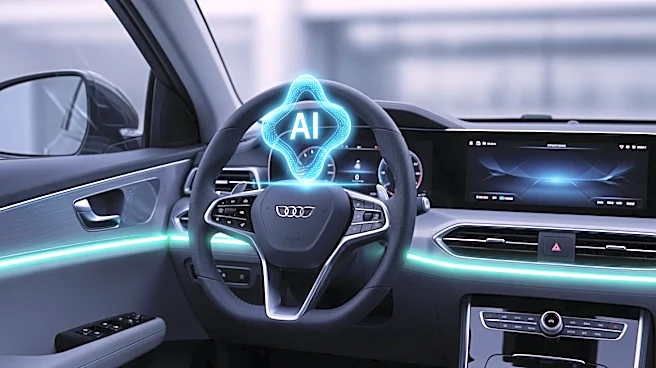
The Tesla Model S is known for its minimalist interior design, featuring a large touchscreen interface that controls most of the vehicle's functions. Initially powered by Nvidia Tegra processors, the infotainment system was upgraded to an Intel Atom-based system around 2018, and later to an AMD Ryzen-based system with the Palladium refresh in 2021.
The 2021 refresh also introduced a "yoke" steering wheel, further enhancing the futuristic feel of the Model S's interior. The touchscreen includes features like driver-side climate control, app launcher, and volume control, providing a seamless and intuitive user experience.
The Tesla Model S's technological innovations have set new standards for electric vehicles, showcasing the company's commitment to advancing the industry. From driver-assistance systems to battery technology, the Model S continues to be a leader in automotive innovation, paving the way for future advancements in sustainable transportation.