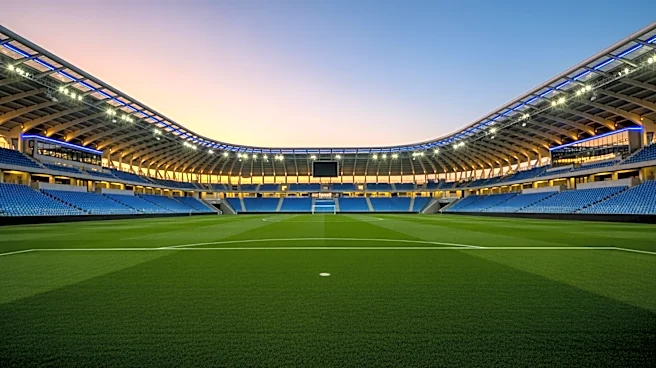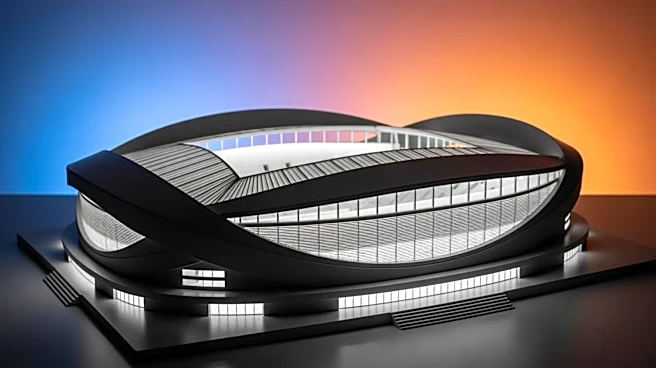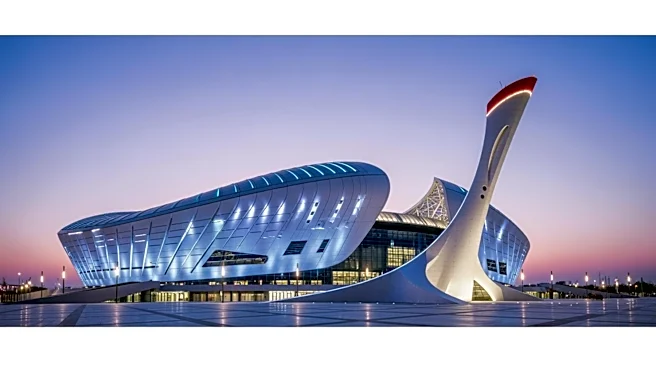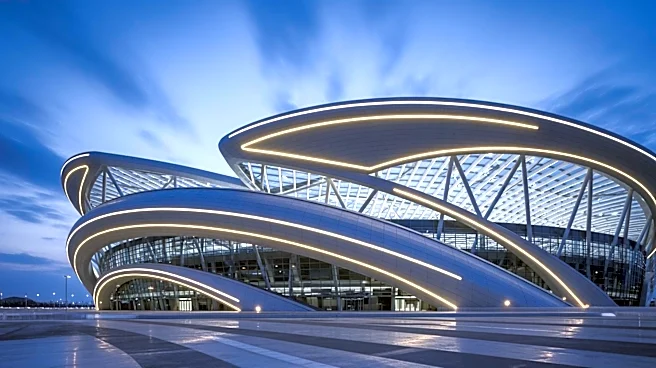

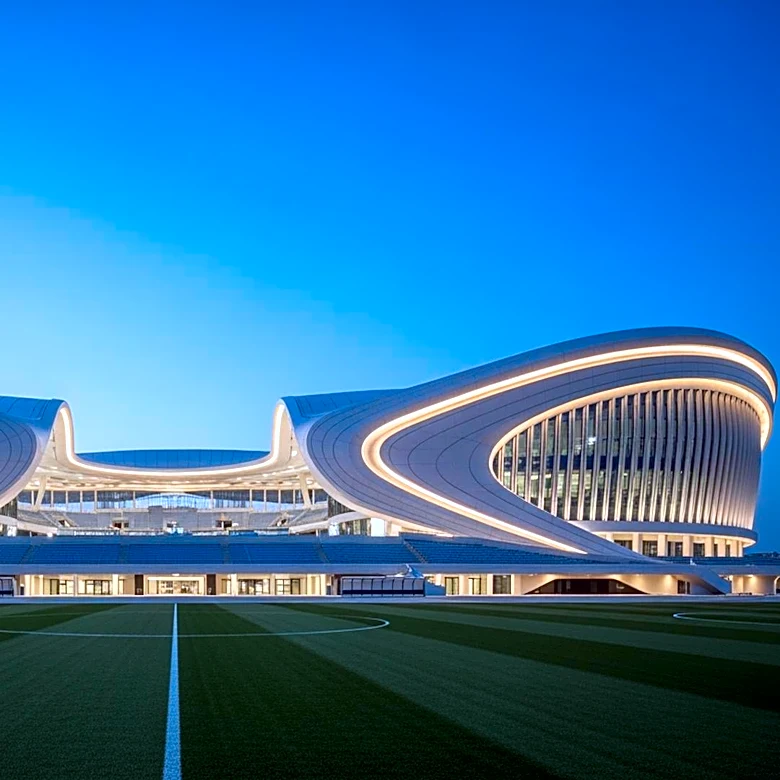

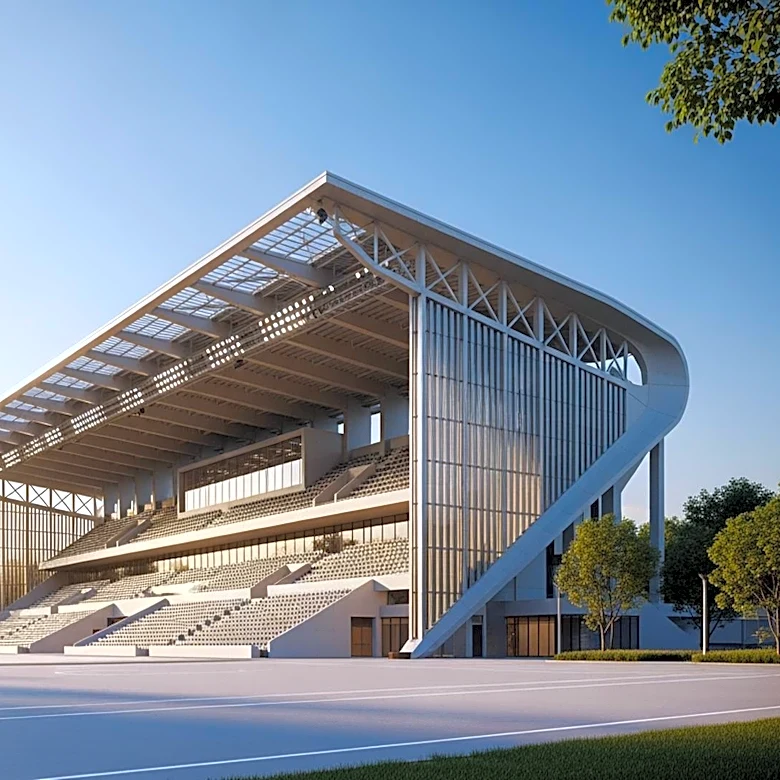


FNB Stadium, also known as Soccer City, is not only a significant sports venue but also an architectural marvel. Located in Johannesburg, South Africa, the stadium underwent a major upgrade for the 2010 FIFA World Cup, transforming it into the largest stadium in Africa. This article explores the design and construction of FNB Stadium, highlighting its unique features and significance.
Design Inspired by African Heritage
The design of FNB Stadium is inspired by the African calabash, a traditional
pot used across the continent. This design choice reflects the cultural heritage of Africa and provides a distinctive appearance that sets the stadium apart from others. The exterior of the stadium features a mosaic of fire and earthen colors, with a ring of lights around the base, simulating fire beneath the pot.
The stadium's design ensures that no spectator is seated more than 100 meters from the field, providing excellent views for all attendees. The stands are articulated by ten black vertical lines, nine of which align with the other stadiums used during the 2010 World Cup. The tenth line points towards Berlin's Olympic Stadium, symbolizing the road to the final.
Construction and Upgrades
Originally built in 1987, FNB Stadium underwent significant renovations in preparation for the 2010 FIFA World Cup. The upgrade was a joint venture between South African contractor GLTA and Dutch company BAM, with the design led by HOK Sport and Boogertman + Partners. The renovations included an extended upper tier, increasing the capacity to 88,958, and the addition of two executive suites.
The construction also involved the installation of a new roof, changing room facilities, and floodlights. The number of suites was increased to 195, enhancing the stadium's ability to host high-profile events. The renovations were completed in October 2009, marked by a celebration at the stadium.
A Venue for Major Events
FNB Stadium has hosted numerous significant events beyond the 2010 FIFA World Cup. It was the site of Nelson Mandela's first speech in Johannesburg after his release from prison in 1990 and served as the venue for his memorial service in 2013. The stadium has also hosted the funerals of anti-apartheid activists Chris Hani and Oliver Tambo.
Today, FNB Stadium continues to be a premier venue for sports and entertainment in South Africa. Its architectural design and historical significance make it a landmark in Johannesburg, attracting visitors from around the world. The stadium stands as a testament to South Africa's ability to host world-class events and its rich cultural heritage.