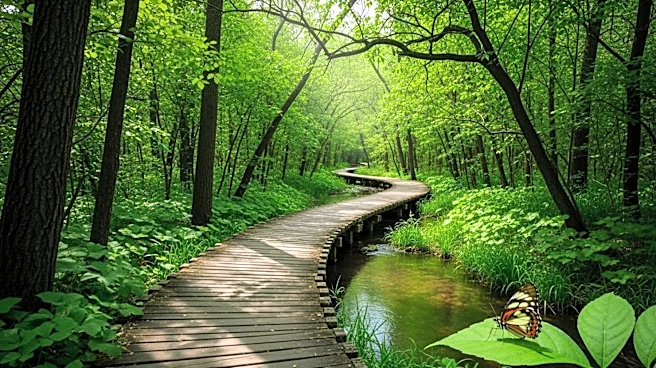









Ecotourism is a unique form of travel that seeks to balance the needs of conservation with the demands of tourism. By promoting responsible travel to natural areas, ecotourism aims to protect the environment while providing educational and economic benefits. This article delves into the delicate balance between conservation efforts and tourism, highlighting the challenges and strategies involved in achieving sustainable ecotourism.
The Role of Conservation in Ecotourism
Conservation is
at the heart of ecotourism. The primary goal is to preserve natural habitats and biodiversity while allowing tourists to experience and appreciate these environments. Ecotourism initiatives often involve the establishment of protected areas, such as national parks and wildlife reserves, where human impact is minimized, and ecosystems can thrive.
These protected areas serve as vital refuges for endangered species and play a crucial role in maintaining ecological balance. By generating revenue through tourism, ecotourism can provide the financial resources needed to support conservation efforts. This includes funding for habitat restoration, wildlife protection, and environmental education programs.
Tourism's Impact on Natural Areas
While tourism can support conservation, it also poses potential risks to natural areas. The presence of tourists can lead to environmental degradation if not managed properly. Issues such as habitat disturbance, pollution, and resource depletion can arise when tourism activities are not carefully regulated.
To mitigate these impacts, ecotourism must prioritize sustainable practices. This includes implementing measures to minimize waste, reduce energy consumption, and limit the number of visitors to sensitive areas. By promoting responsible behavior among tourists and operators, ecotourism can help ensure that natural areas remain pristine and accessible for future generations.
Strategies for Sustainable Ecotourism
Achieving a balance between conservation and tourism requires careful planning and management. One effective strategy is to involve local communities in ecotourism initiatives. By engaging residents in conservation efforts and decision-making processes, ecotourism can foster a sense of ownership and responsibility for the environment.
Education is another key component of sustainable ecotourism. By raising awareness about the importance of conservation, ecotourism can inspire both tourists and locals to adopt environmentally friendly practices. This can lead to a greater appreciation for natural areas and a commitment to their protection.
In conclusion, ecotourism offers a promising approach to balancing conservation and tourism. By prioritizing sustainability and community involvement, ecotourism can help protect natural areas while providing economic and educational benefits. As the industry continues to grow, it is essential to maintain this balance to ensure the long-term success of ecotourism.