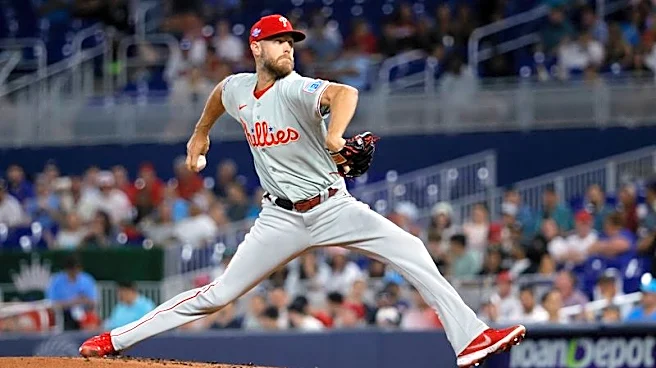



Ted Williams, one of baseball's most iconic figures, is often celebrated for his remarkable career on the field. However, his contributions extend beyond the baseball diamond, as he also served in the U.S. Navy and U.S. Marine Corps during World War II. This article delves into Williams' military service, highlighting how it intersected with his baseball career and shaped his legacy.
Early Military Involvement
Ted Williams' journey into military service began during World War
II. In 1942, he was sworn into the U.S. Navy, marking the start of his commitment to serve his country. Williams trained at the Naval Air Station Squantum, a facility that played a crucial role in preparing naval aviators for combat. This training was a significant departure from his life as a professional baseball player, showcasing his dedication to the war effort.
Naval Air Station Squantum was a hub for maritime patrol and training during the war. It provided primary flight instruction for Naval Aviation Cadets and advanced training for various squadrons. Williams' involvement in the Civilian Pilot Training Program at Squantum highlighted his willingness to contribute to the military, even as he was already a celebrated athlete.
Balancing Baseball and Service
Williams' military service coincided with his baseball career, creating a unique dynamic. Despite his commitment to the Navy and Marine Corps, he remained connected to the sport he loved. His paperwork to join the Civilian Pilot Training Program was completed at Squantum, illustrating his dual focus during this period.
The intersection of Williams' military and baseball careers is a testament to his versatility and dedication. While serving his country, he continued to be a prominent figure in baseball, maintaining his status as a legend in the sport. This balance between service and sport is a defining aspect of his legacy, showcasing his ability to excel in multiple arenas.
Legacy and Impact
Ted Williams' military service is an integral part of his legacy, adding depth to his already impressive career. His time in the Navy and Marine Corps demonstrated his commitment to his country, further solidifying his status as an American icon. Williams' service during World War II is a reminder of the sacrifices made by athletes who served in the military, highlighting the broader impact of the war on American sports.
Williams' legacy is not only defined by his achievements on the baseball field but also by his contributions to the military. His service during World War II is a testament to his character and dedication, making him a role model for future generations. As we celebrate his accomplishments, it's important to remember the full scope of his contributions, both as a baseball legend and a military serviceman.