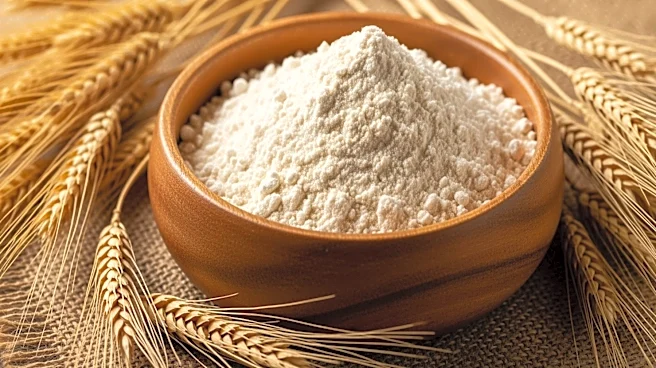








Wheat flour is not just a staple ingredient; it holds cultural significance across various regions and cuisines. This article explores the cultural impact of wheat flour, highlighting its role in traditional dishes, regional preferences, and its symbolic importance in different societies.
Traditional Dishes
Wheat flour is a key ingredient in many traditional dishes worldwide. In India and Pakistan, atta flour is used to make roti and chapati, essential components of
daily meals. These flatbreads are typically stone-ground, giving them a unique texture that is integral to their cultural identity.
In Europe, wheat flour is used to make a variety of breads, with common wheat flour being the most prevalent for bread-making. Durum wheat flour is also popular, particularly in Italy, where it is used to make pasta. These dishes are not only culinary staples but also cultural symbols, representing regional traditions and heritage.
Regional Preferences
Different regions have distinct preferences for wheat flour types, influenced by local culinary practices and available resources. In Central and Northern Europe, rye flour is often mixed with wheat flour to make traditional sourdough breads, reflecting the region's preference for hearty, dense bread.
In the Americas, corn flour is a staple, but wheat flour remains important, particularly in the form of tortillas and other flatbreads. These regional preferences highlight the adaptability of wheat flour to various culinary contexts, showcasing its versatility and cultural significance.
Symbolic Importance
Beyond its culinary uses, wheat flour holds symbolic importance in many cultures. Bread, made from wheat flour, is often seen as a symbol of sustenance and community. In religious contexts, bread can represent spiritual nourishment, as seen in Christian traditions where it is used in communion.
The act of breaking bread together is a universal symbol of hospitality and friendship, underscoring the cultural significance of wheat flour in fostering social bonds. This symbolic role elevates wheat flour from a mere ingredient to a cultural icon, reflecting its deep-rooted presence in human societies.
Wheat flour's cultural significance is evident in its role in traditional dishes, regional preferences, and symbolic meanings. Its versatility and adaptability have made it a cornerstone of culinary practices worldwide, embodying both cultural heritage and communal values.