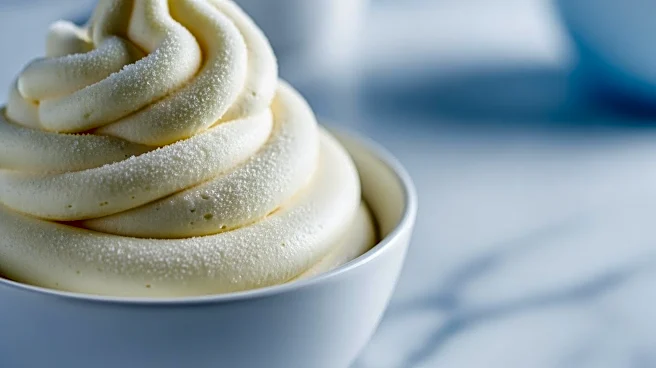




Ice milk, also known as iced milk, is a delightful frozen dessert that offers a lighter alternative to traditional ice cream. With its lower milk fat content, ice milk has carved out a niche for those seeking a less indulgent treat. This article delves into the defining characteristics of ice milk, particularly focusing on its composition and how it is classified in the United States and Canada.
Composition and Characteristics
Ice milk is made from frozen dairy milk, similar to ice
cream, but with a significant difference in its milk fat content. In the United States, ice milk is defined as containing less than 10 percent milk fat. This lower fat content distinguishes it from regular ice cream, which typically has a higher percentage of milk fat. Despite having less fat, ice milk maintains the same amount of sweetener as ice cream, ensuring that it remains a sweet and enjoyable dessert option.
In Canada, the definition of ice milk is slightly different. Here, ice milk contains between 3% and 5% milk fat. This range is lower than what is found in the U.S., reflecting regional preferences and regulatory standards. Products with a milk fat content between 5% and 7.5% in Canada are classified as "light ice cream," while those with an undefined milk fat content are simply labeled as "frozen dairy dessert."
Regulatory Changes and Labeling
The classification and labeling of ice milk have evolved over time, particularly in the United States. A significant change occurred in 1994 when the United States Food and Drug Administration (FDA) revised its rules regarding frozen desserts. This change allowed ice milk to be labeled as "non-fat ice cream," "low-fat ice cream," or "light ice cream," depending on its specific fat content. This reclassification helped ice milk gain broader acceptance and visibility in the market, as it could now be marketed alongside other popular frozen dessert options.
These regulatory changes reflect a broader trend towards offering consumers more choices in the frozen dessert aisle. By allowing ice milk to be labeled in ways that highlight its lower fat content, manufacturers can appeal to health-conscious consumers who are looking for lighter alternatives without sacrificing flavor.
Market Position and Consumer Appeal
Ice milk is often priced lower than regular ice cream, making it an attractive option for budget-conscious consumers. Its lower fat content also appeals to those who are mindful of their dietary intake but still want to enjoy a frozen treat. The ability to market ice milk under various labels, such as "light ice cream," has further broadened its appeal, allowing it to compete more directly with traditional ice cream products.
In conclusion, ice milk offers a unique combination of lower fat content and affordability, making it a popular choice for many consumers. Its classification and labeling have evolved to meet changing consumer preferences and regulatory standards, ensuring that it remains a viable and appealing option in the frozen dessert market.