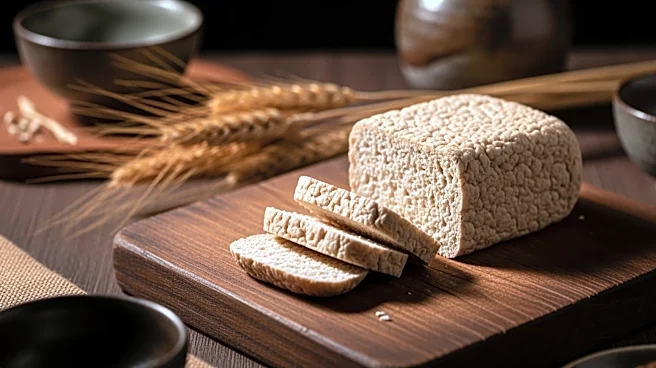







Seitan, a popular meat substitute made from wheat gluten, has a rich history that spans centuries and continents. Known for its chewy texture and versatility, seitan has become a staple in vegetarian and vegan diets worldwide. This article delves into the historical journey of seitan, tracing its origins from ancient China to its modern-day presence in kitchens around the globe.
Ancient Origins in China
Seitan's story begins in China during the 6th century, where it was first
used as an ingredient for noodles. Known as miànjīn, meaning wheat tendon, it was widely consumed as a meat substitute, especially among adherents of Chinese Buddhism who practiced vegetarianism. The oldest reference to wheat gluten appears in the Qimin Yaoshu, a Chinese agricultural encyclopedia written in 535, which mentions noodles made from wheat gluten.
Throughout the centuries, wheat gluten maintained its popularity in Chinese cuisine, particularly among Buddhist monks who sought alternatives to meat. This early use of seitan set the stage for its spread across Asia, where it became a common ingredient in various regional dishes.
Expansion Across Asia
As seitan gained popularity in China, it began to spread to neighboring countries, including Japan and Korea. In Japan, it was known as fu and became an integral part of Buddhist vegetarian cooking. The Japanese version of seitan was often dry-baked and used in soups and stews, absorbing flavors and adding texture to dishes.
In Korea, seitan was referred to as milgogi and similarly used as a meat substitute in traditional cuisine. The versatility of seitan allowed it to be adapted to various culinary styles, making it a favored ingredient in many Asian dishes.
Seitan's Journey to the West
Seitan made its way to the Western world by the 18th century, with references to wheat gluten appearing in European texts. In the United States, the Seventh-day Adventists promoted the consumption of wheat gluten in the late 19th century, recognizing its potential as a meat alternative.
The term "seitan" was coined in Japan in 1961 by George Ohsawa, a proponent of the macrobiotic diet. It was introduced to the West in 1969 by the American company Erewhon, marking the beginning of seitan's global presence. Today, seitan is widely available in supermarkets and health food stores, celebrated for its high protein content and adaptability in various recipes.