





The Florida Keys, a stunning archipelago off the southern coast of Florida, are not only a popular tourist destination but also a fascinating geological wonder. This chain of islands, stretching from the southeastern coast of the Florida peninsula to Key West and the Dry Tortugas, has a rich geological history that dates back thousands of years. Understanding the formation of the Florida Keys provides insight into the dynamic processes that have shaped
this unique region.
The Geological Origins
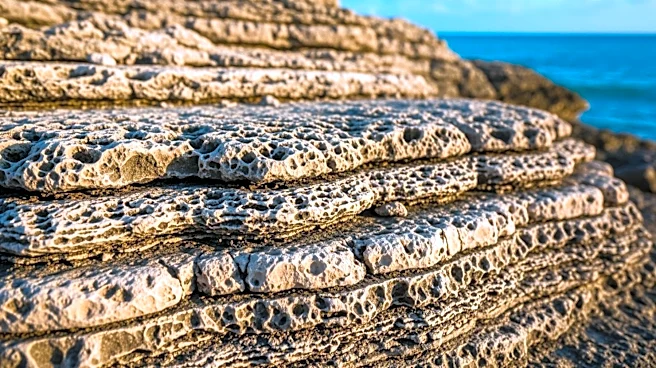
The Florida Keys are a coral cay archipelago, meaning they are primarily composed of coral reefs that have been exposed over time. The formation of these islands is closely tied to the changes in sea levels associated with glaciations or ice ages. Around 130,000 years ago, during the Sangamonian Stage, sea levels were approximately 25 feet higher than they are today. This rise in sea level submerged much of southern Florida, creating a shallow sea where coral reefs began to form along the edge of the submerged Florida Platform.
As the sea levels fluctuated over millennia, these coral reefs were exposed and eroded, leading to the formation of the Key Largo Limestone. This limestone is visible on the surface from Soldier Key to the southeast portion of Big Pine Key and the Newfound Harbor Keys. The types of coral that contributed to the Key Largo Limestone can still be identified on the exposed surfaces of these keys, offering a glimpse into the ancient marine life that once thrived in the area.
The Role of Sea Level Changes
The drastic changes in sea level during the ice ages played a crucial role in shaping the Florida Keys. As sea levels rose and fell, parts of the coral reef were exposed to erosion, while others remained submerged. This process led to the formation of oolites, small spherical grains of calcium carbonate, in the shallow sea behind the reef. These oolites, along with the skeletal remains of marine organisms like bryozoans, contributed to the formation of the Miami Limestone, which is the current surface bedrock of the lower Florida peninsula and the lower keys.
The islands of the upper and middle keys, consisting of Key Largo Limestone, form a long narrow arc, while the islands of the lower keys are perpendicular to this arc. This configuration arose from an ancient tidal-bar system, where tidal channels cut through a submerged oolitic deposit. Over time, these bars lithified into Miami Limestone, and with changes in sea level, they are now exposed as the islands we see today.
The Florida Reef Tract
Just offshore of the Florida Keys lies the Florida Reef, also known as the Florida Reef Tract. This reef extends 170 miles from Fowey Rocks to just south of the Marquesas Keys and is the third-largest barrier reef system in the world. The Florida Reef is separated from the keys by the Hawk Channel and plays a vital role in the marine ecosystem of the region.
The Florida Keys National Marine Sanctuary protects this reef, ensuring the preservation of its diverse marine life and habitats. The sanctuary encompasses a vast area of coastal and ocean waters, supporting a high species diversity due to the presence of both tropical and subtropical species. The geological history and formation of the Florida Keys are integral to understanding the unique environment and biodiversity of this remarkable region.