



Quilting is a versatile craft that encompasses a wide range of techniques, each offering unique possibilities for creativity and expression. From the traditional art of hand stitching to the efficiency of modern machine quilting, these techniques have evolved to meet the needs and preferences of quilters around the world. This article explores the diverse methods used in quilting, highlighting their distinct characteristics and applications.
The Art of Hand Quilting
Hand quilting
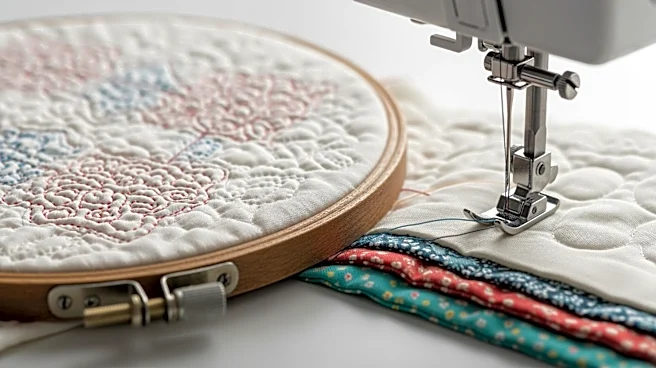
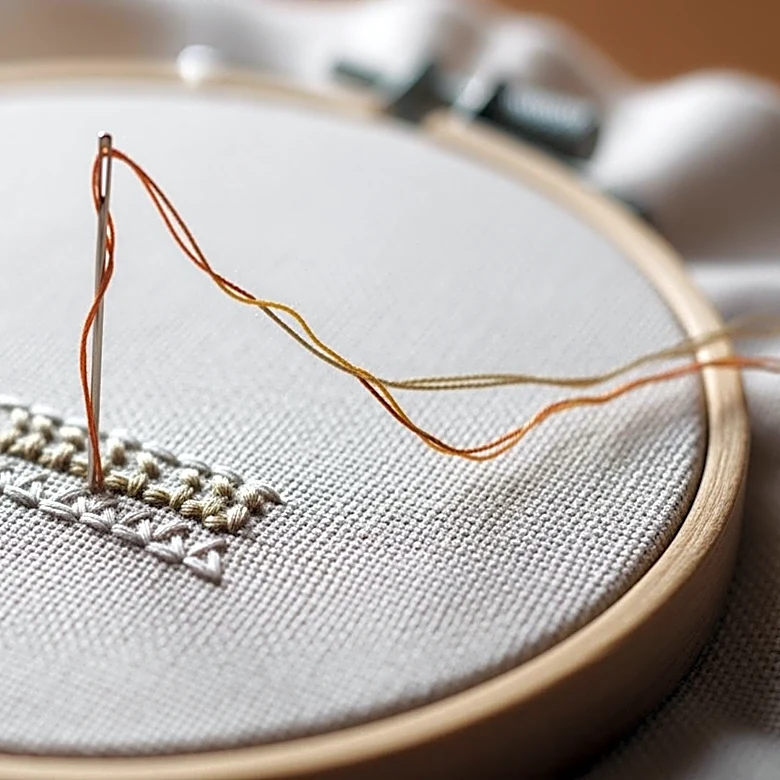
is a time-honored technique that involves sewing a running stitch by hand across the quilt's surface. This method binds the layers together, creating a textured and durable finish. Quilters often use a frame or hoop to hold the quilt off their lap, allowing for even tension and precise stitching. The stab stitch, rocking stitch, and "loading the needle" are common hand quilting techniques, each offering different levels of control and speed.
Hand quilting is still practiced by the Amish and Mennonites in the United States and Canada, known for their meticulous craftsmanship and intricate designs. This technique is enjoying a resurgence worldwide, as quilters appreciate the meditative and personal nature of hand stitching.
Machine Quilting: Speed and Precision
Machine quilting has revolutionized the quilting process, offering speed and precision that hand quilting cannot match. Home sewing machines and longarm machines are commonly used to sew the quilt layers together. With a home sewing machine, quilters tack the layers together before quilting, using safety pins or tacking stitches to hold them in place.
Longarm quilting involves placing the quilt layers on a special frame, allowing the machine to move across the fabric on tracks. This method eliminates the need for tacking or pinning, making it ideal for large quilts. Longarm machines are often used by professional quilters and are available for rent at specialty quilt shops.
Specialty Techniques and Innovations
Beyond traditional and machine quilting, there are numerous specialty techniques that quilters use to add depth and interest to their work. Techniques like trapunto, which involves adding extra padding to create a raised effect, and sashiko, a Japanese form of decorative stitching, offer unique textures and patterns.
Quilters also experiment with embellishments, such as appliqué, embroidery, and the inclusion of beads or sequins. These techniques allow for endless creativity and personalization, making each quilt a unique work of art.
Quilting techniques continue to evolve, blending tradition with innovation. Whether through the careful hand stitching of a family heirloom or the bold designs of a modern quilt, these techniques celebrate the artistry and craftsmanship of quilting.