
Porsche, a name synonymous with luxury and high-performance sports cars, has a rich history that dates back to its founding in 1931 by Ferdinand Porsche. Known for its iconic models like the Porsche 911, the company has evolved significantly over the decades. This article explores the journey of Porsche from its early days to becoming a subsidiary of Volkswagen AG, highlighting key milestones and developments along the way.
Early Days and Founding
Porsche was established
in 1931 by Ferdinand Porsche, an engineer with a vision for creating high-performance vehicles. Initially, the company did not produce cars under its own name but instead offered vehicle development work and consulting. One of its first major projects was the design of the Volkswagen Beetle, a car that would become one of the most successful designs in automotive history.
The early years of Porsche were marked by innovation and engineering excellence. Ferdinand Porsche's work on the Volkswagen Beetle laid the foundation for the company's future success. The Beetle's design was revolutionary for its time, featuring a rear-engine layout that would later become a hallmark of Porsche's own vehicles.
Post-War Developments and the Birth of the 356
After World War II, Porsche faced significant challenges, including the arrest of Ferdinand Porsche for war crimes. During this period, his son Ferry Porsche took over the company and began developing a car that would carry the Porsche name. This led to the creation of the Porsche 356 in 1948, the first car to bear the Porsche badge.
The 356 was a success and established Porsche as a manufacturer of high-quality sports cars. It featured a lightweight design and a rear-engine layout, characteristics that would become synonymous with the brand. The success of the 356 paved the way for future models and set the stage for Porsche's growth in the automotive industry.
The Iconic Porsche 911 and Modern Era
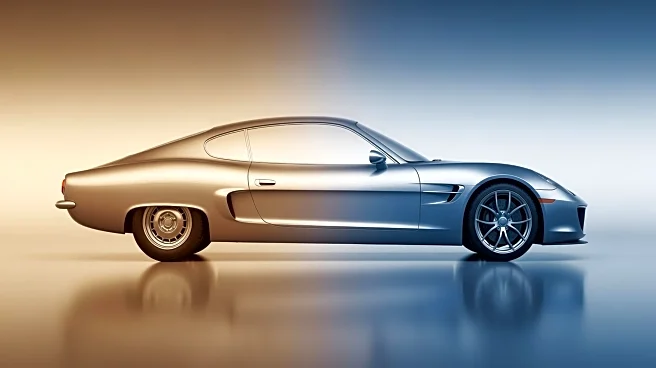
In 1963, Porsche introduced the 911, a model that would become the brand's most iconic and enduring vehicle. The 911 featured a distinctive design and a powerful engine, quickly gaining a reputation for performance and style. Over the years, the 911 has undergone numerous updates and redesigns, but it has always retained its core characteristics.
Today, Porsche is a subsidiary of Volkswagen AG and continues to produce a range of luxury sports cars, SUVs, and sedans. The company's commitment to innovation and performance remains strong, as evidenced by its recent ventures into electric vehicles with models like the Porsche Taycan. Porsche's journey from a small engineering firm to a global automotive icon is a testament to its enduring legacy and influence in the world of high-performance vehicles.