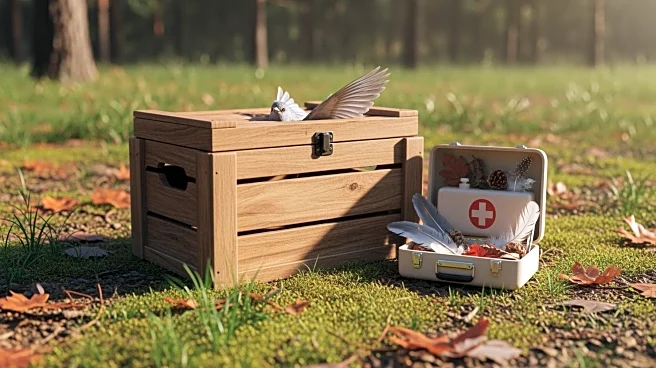




Wildlife rehabilitation is a crucial process aimed at caring for injured, sick, orphaned, or displaced wild animals with the ultimate goal of releasing them back into their natural habitat. This process involves a series of steps that ensure the animals receive the necessary care and treatment to survive in the wild. From rescue to release, each stage is vital in giving these animals a second chance at life.
Rescue and Initial Assessment
The first step in wildlife rehabilitation
is the rescue of the animal. This can occur when an animal is found and reported to a wildlife rehabilitator or seized from illegal activities. It is important to contact a licensed rehabilitator before attempting to handle the animal, as improper handling can lead to further harm. Once the animal is safely in the hands of professionals, an initial assessment is conducted to determine the extent of its injuries and the likelihood of successful rehabilitation.
During the assessment, the animal is examined by a trained wildlife rehabilitator or veterinarian. This examination helps in identifying the injuries and deciding on the appropriate treatment plan. The assessment also involves recording specific information about the animal, such as its species, age, sex, and the location where it was found. This data is crucial for tracking the animal's progress and ensuring it receives the best possible care.
Treatment and Rehabilitation
Following the initial assessment, the animal undergoes treatment to address its injuries or illnesses. This may include administering medication, treating wounds, and providing supportive care such as fluids and nutrition. The goal is to stabilize the animal and prepare it for the rehabilitation phase.
Rehabilitation involves placing the animal in an appropriate setting where it can recover and regain its strength, mobility, and survival skills. This setting varies depending on the species and may include an aviary, enclosure, or pool. The rehabilitation process is tailored to the individual needs of the animal, ensuring it is well-prepared for life back in the wild.
Release and Monitoring
The final step in wildlife rehabilitation is the release of the animal back into its natural habitat. The release site is carefully chosen to ensure the animal can thrive in its environment. Rehabilitators aim to release the animal close to where it was originally found, as this increases its chances of successful reintegration.
Monitoring the animal post-release is important to determine its survival and adaptation to the wild. Techniques such as radiotracking are used to track the animal's movements and ensure it is thriving. Successful rehabilitation is not only about releasing the animal but also ensuring it can survive and contribute to its population in the wild.