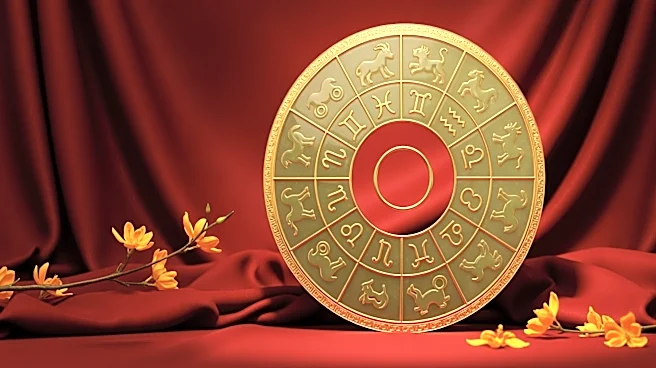

The Chinese zodiac is more than just a system for marking the passage of time; it is a cultural phenomenon that has influenced societies across East Asia and beyond. This traditional classification scheme,
based on the Chinese calendar, assigns an animal and its reputed attributes to each year in a repeating twelve-year cycle. The zodiac is deeply embedded in Chinese culture and philosophy, reflecting traditional beliefs about personality, compatibility, and fortune.
The Zodiac's Role in Chinese Culture
The Chinese zodiac is a vital part of Chinese culture, serving as a reflection of traditional Chinese philosophy. It is believed that one's personality is related to the attributes of their zodiac animal. This belief has permeated various aspects of life, influencing people's perceptions of themselves and others. The zodiac is not only a tool for marking time but also a means of understanding human behavior and relationships.
Originating from China, the zodiac has spread to many East Asian and Southeast Asian countries, such as Japan, South Korea, Vietnam, and Singapore. Among immigrants from these countries, the zodiac continues to be a popular cultural reference. The zodiac's influence is seen in various cultural practices, including festivals, marriage compatibility assessments, and career choices.
Regional Variations and Adaptations
While the Chinese zodiac is widely recognized, its interpretation and use can vary significantly across different regions. For example, the Vietnamese zodiac includes the Water Buffalo instead of the Ox and the Cat instead of the Rabbit. These variations reflect local cultural influences and adaptations of the zodiac system.
In Japan, the zodiac is celebrated with New Year's cards and stamps, and the United States Postal Service issues a "Year of the ____" postage stamp each year to honor this Chinese heritage. These adaptations demonstrate the zodiac's ability to transcend cultural boundaries and become a part of global traditions.
The Zodiac's Influence on Modern Society
The Chinese zodiac continues to play a significant role in modern society, influencing commercial culture and personal beliefs. Zodiac-related products, such as crafts, toys, books, and accessories, are popular in the Chinese New Year market. The zodiac is also used in astrology to offer guidance in life, love, and marriage.
Despite the rise of modern social views, the zodiac's use persists alongside Confucian beliefs in a hierarchical society. This enduring influence highlights the zodiac's importance as a cultural touchstone, providing a sense of identity and continuity for people across generations.