






The parasympathetic nervous system (PNS) is a crucial part of the autonomic nervous system, working in tandem with the sympathetic nervous system to maintain balance in the body. While the sympathetic nervous system prepares the body for "fight or flight" responses, the parasympathetic nervous system is responsible for "rest and digest" functions. This article explores the role of the parasympathetic nervous system, its effects on various body parts,
and how it maintains equilibrium with the sympathetic nervous system.
The Role of the Parasympathetic Nervous System
The parasympathetic nervous system is essential for conserving energy and promoting relaxation in the body. It counteracts the effects of the sympathetic nervous system, which is activated during stressful situations. When the body is no longer in danger, the parasympathetic nervous system takes over, allowing the body to rest, digest food, and carry out other maintenance activities. This system is vital for maintaining homeostasis, ensuring that the body's internal environment remains stable and balanced.
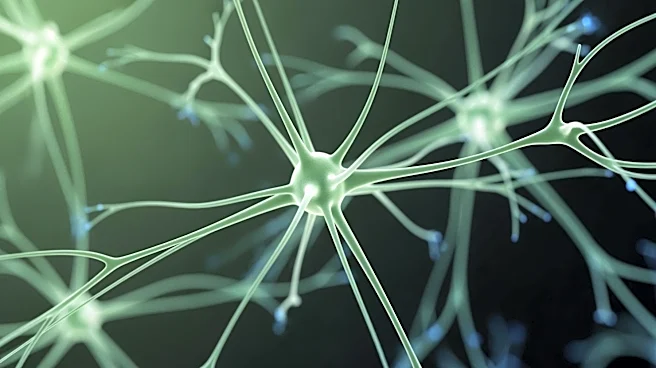
The parasympathetic nervous system primarily uses acetylcholine as its neurotransmitter, which helps in transmitting signals to various organs. It originates from the brainstem and sacral spinal cord, extending its influence to different parts of the body. By slowing down the heart rate, reducing blood pressure, and promoting digestion, the parasympathetic nervous system plays a key role in the body's recovery and relaxation processes.
Effects on the Body
The parasympathetic nervous system affects several organs and systems within the body. One of its primary functions is to slow down the heart rate, which helps in reducing blood pressure. This is crucial for preventing the heart from overworking and allows it to function efficiently. Additionally, the parasympathetic nervous system narrows the bronchi in the lungs, slowing down breathing and conserving energy.
In the digestive system, the parasympathetic nervous system increases blood flow to the stomach and intestines, enhancing digestion. This ensures that nutrients are absorbed efficiently, and waste is processed effectively. The system also causes the pupils in the eyes to constrict, which can help in reducing the amount of light entering the eyes, promoting relaxation.
Balancing with the Sympathetic Nervous System
The parasympathetic and sympathetic nervous systems work together to maintain a delicate balance in the body. While the sympathetic nervous system prepares the body for action, the parasympathetic nervous system ensures that the body can recover and return to a state of calm. This balance is crucial for overall health and well-being.
In a healthy individual, the brain monitors the effects of both systems and adjusts their activity as needed. For instance, if the parasympathetic nervous system slows down the heart rate too much, the brain will activate the sympathetic nervous system to increase it. This constant interplay between the two systems ensures that the body can respond appropriately to different situations, maintaining stability and health.