



Group B rally cars are often celebrated for their groundbreaking technological innovations and engineering feats. Introduced in 1982, these cars were designed to push the limits of performance, resulting in some of the most advanced vehicles in motorsport history. This article delves into the technical aspects that made Group B cars stand out.
Engineering Innovations
The Group B regulations allowed manufacturers to experiment with cutting-edge technology and materials, leading
to significant advancements in car design. One of the most notable innovations was the use of lightweight materials such as fiberglass for bodywork, which reduced the overall weight of the cars and improved their speed and agility. The Ford RS200, for example, utilized a fiberglass body, showcasing the potential of these materials in rally racing.
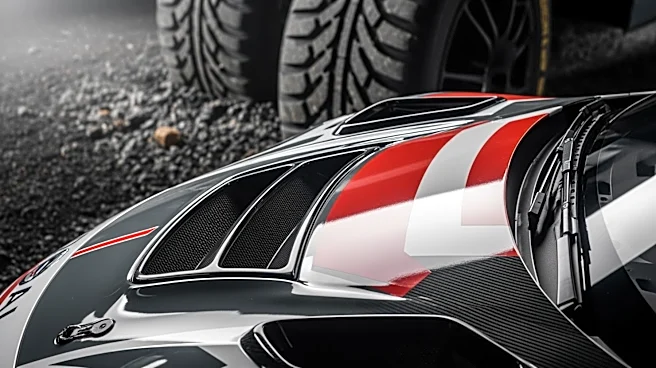
Another key innovation was the introduction of advanced aerodynamics. Manufacturers focused on optimizing the airflow around the cars to enhance stability and performance. This led to the development of distinctive features such as large wings and spoilers, which became iconic elements of Group B cars. The Peugeot 205 T16 and Lancia Delta S4 are prime examples of vehicles that benefited from these aerodynamic advancements.
Power and Performance
Group B cars were renowned for their incredible power output, thanks to the use of turbocharged engines. The regulations placed no restrictions on boost, allowing manufacturers to extract extraordinary amounts of power from their engines. As a result, some Group B cars produced over 500 horsepower, a remarkable feat for the time.
The combination of lightweight construction and powerful engines resulted in cars that were not only fast but also highly responsive. The Audi Quattro, with its innovative four-wheel-drive system, set new standards for handling and traction, particularly on loose surfaces. This technological leap gave Audi a competitive edge and helped establish the Quattro as a legend in rally racing.
Legacy of Innovation
The technological advancements of Group B cars have had a lasting impact on the automotive industry. Many of the innovations developed during this era, such as turbocharging and advanced aerodynamics, have become standard features in modern vehicles. The engineering feats achieved by manufacturers during the Group B era continue to inspire and influence car design today.
While the Group B era was short-lived, its legacy endures. The cars are remembered not only for their performance but also for the technological breakthroughs they represented. They remain a testament to the spirit of innovation and the pursuit of excellence that defined this remarkable period in motorsport history.