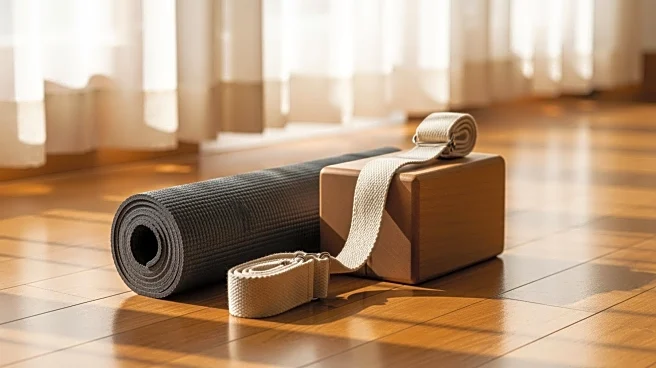

Halasana, commonly known as the Plough pose, is a well-regarded inverted posture in hatha yoga and modern yoga exercises. This pose is known for its ability to stretch the spine and improve flexibility.
However, Halasana is not a one-size-fits-all pose; it comes with several variations that cater to different levels of practice and offer unique benefits. Understanding these variations can enhance one's yoga practice and provide a deeper appreciation for the pose.
Karnapidasana: The Ear-Pressing Pose
Karnapidasana, also known as the ear-pressing pose, is a variation of Halasana that involves bending the knees close to the head and grasping them with the arms. This variation is not found in medieval hatha yoga texts but has been described in modern yoga literature, suggesting it may have older origins. The name Karnapidasana is derived from Sanskrit, where 'karṇa' means 'ears' and 'pīḍ' means 'to squeeze.' This pose is particularly beneficial for those looking to deepen their practice by increasing the stretch in the spine and enhancing concentration.
The pose is entered from Sarvangasana, or shoulderstand, by lowering the back slightly for balance and moving the arms and legs over the head until the toes touch the ground. The arms can then be moved to support the back into a more vertical position, offering a preparatory variant of the pose. This variation challenges the practitioner to maintain balance and focus, making it a rewarding addition to any yoga routine.
Supta Konasana: The Supine Angle Pose
Supta Konasana, or the supine angle pose, is another variation of Halasana that involves spreading the legs as wide apart as possible while keeping the toes on the ground. This pose resembles an inverted Upavistha Konasana, where the fingertips may grasp the big toes. Supta Konasana is ideal for those looking to increase flexibility in the hips and legs while maintaining the benefits of an inverted posture.
This variation is also entered from Sarvangasana, allowing practitioners to transition smoothly between poses. The wide leg position in Supta Konasana provides a unique stretch that can help release tension in the lower back and hips, making it a valuable pose for those with sedentary lifestyles or tight muscles.
Parsva Halasana: The Sideways Plough
Parsva Halasana, or sideways plough, adds a twist to the traditional Halasana by having the body vertical, the trunk twisted to one side, and the legs out straight with the feet touching the ground on that side. This variation introduces a rotational element to the pose, which can enhance spinal mobility and improve balance.
The twist in Parsva Halasana engages the oblique muscles and encourages a deeper stretch in the spine. This variation is particularly beneficial for those looking to improve their posture and spinal alignment. By incorporating Parsva Halasana into a yoga practice, practitioners can enjoy a more dynamic and comprehensive workout that targets multiple muscle groups.