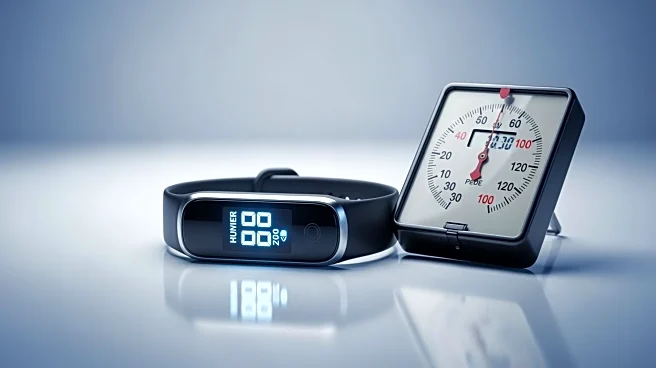









Fitness trackers have come a long way from their humble beginnings as simple pedometers. These devices have evolved into sophisticated tools that not only count steps but also monitor a wide range of health metrics. This article explores the historical development of fitness trackers, highlighting key technological advancements that have transformed them into essential gadgets for health and wellness enthusiasts.
Early Beginnings and Technological Advancements
The journey of fitness trackers began
in the 1980s with the introduction of wearable heart rate monitors for athletes. These early devices laid the groundwork for future innovations by providing a way to measure physical activity more accurately. By the late 20th century, advancements in technology allowed for the automation of fitness activity recording, leading to the development of wristwatch-sized bicycle computers that could monitor speed, duration, and distance.
In 1986, the RS-Computer shoe was released, marking a significant milestone in the evolution of fitness trackers. This shoe featured integrated sensors that could track various fitness metrics, paving the way for more sophisticated devices. The early 2000s saw the introduction of consumer-grade wearable fitness tracking devices, including wireless heart rate monitors that could connect to exercise machines in gyms, further enhancing the user experience.
The Rise of Smart Bands and Mobile Integration
As technology continued to advance, fitness trackers diversified into various formats, including wristbands and armbands, commonly referred to as smart bands. These devices became popular due to their convenience and ability to provide real-time feedback on physical activity. In 2006, Apple and Nike collaborated to release the Nike+iPod, a sensor-equipped shoe that worked with an iPod Nano, showcasing the potential of integrating fitness tracking with mobile devices.
By 2010, logging apps emerged, allowing users to share their fitness data on social media platforms like Facebook and Twitter. This social aspect, combined with gamification elements, made fitness trackers more appealing to consumers. The ability to compete with friends and earn rewards for achieving fitness goals added a new dimension to personal health management.
Modern Fitness Trackers and Their Impact
Today, fitness trackers are more advanced than ever, with devices like the Apple Watch and Fitbit offering a wide range of features. These modern trackers can monitor heart rate, calorie expenditure, sleep quality, and even detect potential health issues like atrial fibrillation. The integration of wearable sensors has also expanded the use of fitness trackers in medical sciences, sports, and security, allowing for continuous monitoring of physiological parameters.
Despite their benefits, fitness trackers have raised privacy concerns due to the vast amount of personal data they collect. As these devices continue to evolve, addressing these concerns will be crucial to ensuring user trust and maximizing their potential in promoting health and wellness.