



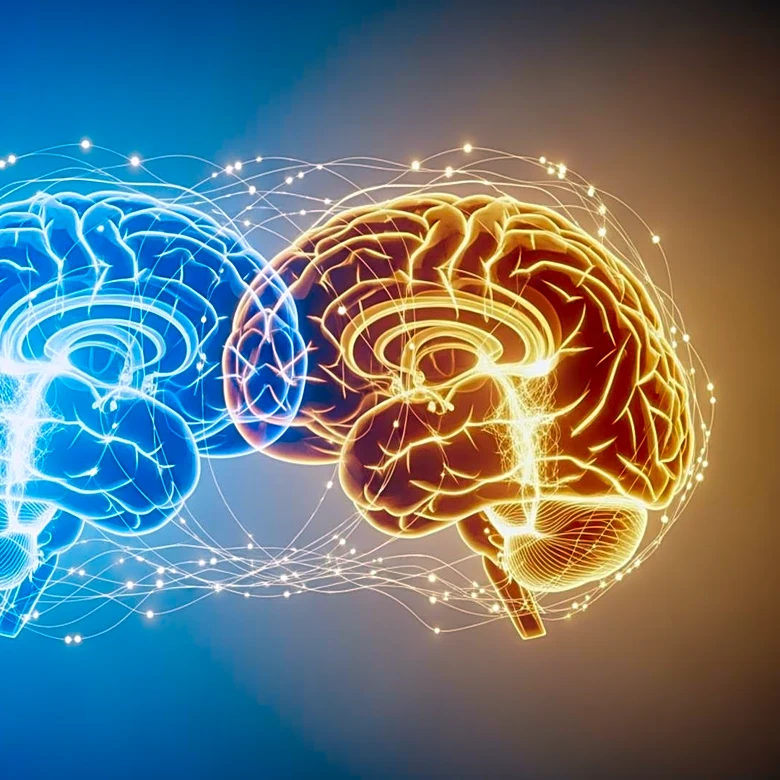



Empathy is often seen as a driving force behind altruistic behavior, where individuals act selflessly to benefit others. This connection between empathy and altruism is rooted in the ability to understand and share the feelings of others, which can motivate people to help those in need. This article delves into the relationship between empathy and altruism, exploring how empathy influences altruistic actions and the motivations behind them.
Empathy as a Motivator for Altruism
Empathy
plays a crucial role in motivating altruistic behavior by allowing individuals to connect with the emotions of others. When people empathize with someone in distress, they are more likely to feel compelled to help alleviate that person's suffering. This empathetic response can lead to actions that prioritize the well-being of others, even at a personal cost.
The empathy-altruism hypothesis suggests that when individuals experience empathic concern for someone else, they are motivated to help that person, regardless of any potential benefits to themselves. This hypothesis challenges the notion that all helping behavior is self-serving, proposing that genuine altruism can arise from a deep sense of empathy. By fostering a connection with others, empathy can inspire acts of kindness and generosity that are truly selfless.
Distinguishing Empathy from Personal Distress
While empathy can lead to altruistic behavior, it is important to distinguish it from personal distress, which can also motivate helping actions. Personal distress occurs when witnessing another's suffering causes discomfort or anxiety in the observer. In such cases, the motivation to help may stem from a desire to alleviate one's own discomfort rather than a genuine concern for the other person.
The key difference between empathy and personal distress lies in their focus. Empathy is other-oriented, with the primary goal of improving the well-being of the person in need. In contrast, personal distress is self-oriented, with the aim of reducing one's own negative emotions. Understanding this distinction is crucial for recognizing the true motivations behind altruistic behavior and fostering genuine empathy-driven actions.
Empathy in Practice: Encouraging Altruism
Cultivating empathy can enhance altruistic behavior in various contexts, from personal relationships to broader societal issues. Empathy training programs, for example, aim to increase individuals' ability to empathize with others, promoting cooperative and supportive behaviors. These programs can be particularly effective in educational settings, where fostering empathy can reduce bullying and encourage positive social interactions.
In addition to formal training, everyday practices such as active listening and perspective-taking can help individuals develop their empathetic abilities. By consciously engaging with the emotions and experiences of others, people can strengthen their capacity for empathy and, in turn, their propensity for altruistic behavior. Ultimately, empathy serves as a powerful catalyst for positive social change, inspiring individuals to act with kindness and compassion.