



The Norisring in Nuremberg, Germany, is not just another racing circuit; it offers a unique experience for both drivers and fans. Known for its street circuit layout, the Norisring provides an intimate and thrilling atmosphere that sets it apart from other racing venues. This article delves into the distinctive features of the Norisring and what makes it a favorite among motorsport enthusiasts.
The Street Circuit Layout
The Norisring is a temporary street circuit, meaning it is laid
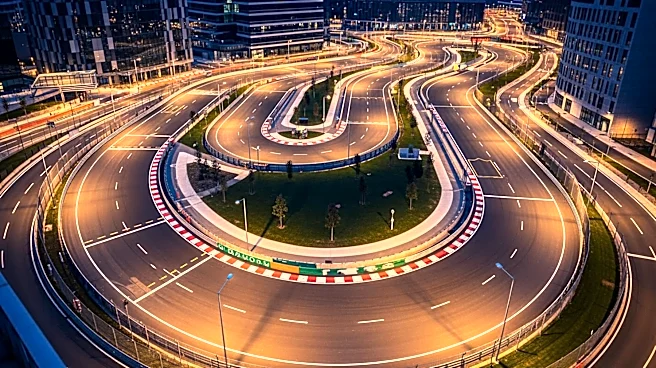
out on public roads that are otherwise used for regular traffic. This setup gives the circuit a unique character, as it winds through the city of Nuremberg. The track is 2.3 km long, featuring two hairpin turns and a chicane, which have remained unchanged since 1972.
The start-finish straight is located in front of the central grandstand, known as the Steintribüne. From there, the track leads to a right-hand sweeper, followed by a left-hand U-turn near the Grundig tower. The circuit then heads back to the Steintribüne via a left-hand sweeper, with the Schöller-S chicane placed between the sweeper and the back straight. This layout challenges drivers with its tight turns and high-speed sections, making it a thrilling experience for both participants and spectators.
Fan Experience and Atmosphere
One of the most appealing aspects of the Norisring is the fan experience. The circuit's location within a large city allows fans to get closer to the action than at many modern venues. The Norisringrennen, held annually as part of the Deutsche Tourenwagen Masters (DTM) season, attracts between 100,000 and 140,000 spectators, creating a vibrant and energetic atmosphere.
Fans can enjoy the race from various vantage points, including temporary stands and natural viewing areas. The proximity to the track allows spectators to feel the speed and intensity of the race, enhancing the overall experience. The Norisring's unique setting, combined with its rich history, makes it a must-visit destination for motorsport fans.
The Challenge for Drivers
For drivers, the Norisring presents a distinct challenge. The street circuit layout requires precision and skill, as the narrow track leaves little room for error. The combination of high-speed straights and tight corners demands quick reflexes and strategic thinking.
The circuit's temporary nature also adds an element of unpredictability, as the surface can vary from year to year. Drivers must adapt to these conditions, making the Norisring a true test of their abilities. This challenge, coupled with the enthusiastic crowd, makes racing at the Norisring a memorable experience for any driver.