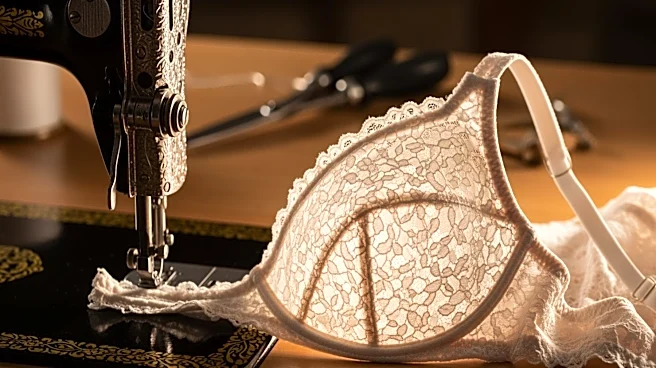






Nursing bras have come a long way since their inception, evolving to meet the changing needs of breastfeeding mothers. These specialized bras are designed to provide support and convenience, allowing mothers to nurse their infants comfortably without removing the bra. Over the years, innovations in design and materials have transformed nursing bras into essential garments for lactating women.
Early Innovations and Patents
The concept of a nursing bra can be traced back to the early
20th century. The first patent for a device called a "nursing brassiere" was obtained in 1943 by Albert A. Glasser. This marked a significant milestone in the development of nursing bras, as it introduced a garment specifically designed to facilitate breastfeeding. Prior to this, women relied on makeshift solutions or modified regular bras to nurse their infants.
The post-World War II baby boom further stimulated the market for nursing bras. As more women entered motherhood, the demand for practical and comfortable nursing solutions increased. This period saw little innovation in nursing bras, with larger lingerie companies dominating the market by simply adding a clip to existing designs.
Modern Developments and Design Enhancements
In recent decades, nursing bras have undergone significant transformations. The industry has become highly segmented, with various manufacturers offering a wide range of designs to cater to different needs. Modern nursing bras are available in styles such as soft-cup, underwire, seamless, and lounging, providing options for every preference and body type.
One notable innovation in nursing bras is the introduction of one-handed opening mechanisms. This feature allows mothers to easily access the breast with one hand, making breastfeeding more convenient. Additionally, some nursing bras now incorporate sports bra elements, enabling mothers to exercise comfortably while nursing.
The Role of Materials and Comfort
The choice of materials has played a crucial role in the evolution of nursing bras. Experts recommend bras made from a blend of cotton and Lycra, as these materials offer stretchability and comfort. Stretchable fabrics accommodate changes in breast size, which is common during lactation.
Manufacturers have also expanded the color and style options available for nursing bras. While traditional nursing bras were predominantly white, today's offerings include a variety of colors and patterns, such as floral and animal prints. This shift reflects a broader trend towards making nursing bras not only functional but also fashionable.
Overall, the evolution of nursing bras highlights the industry's response to the needs of breastfeeding mothers. From early patents to modern innovations, nursing bras have become indispensable garments that support and empower women during a critical phase of motherhood.