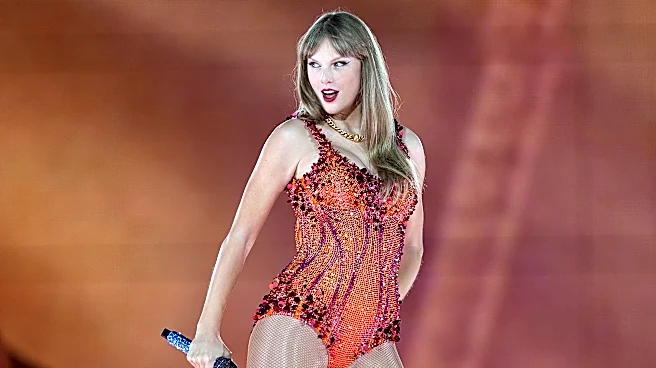

Taylor Swift's public battle over the ownership of her music masters has transcended the music industry, becoming a cultural touchstone for discussions about artists' rights and intellectual property.
The dispute, which began in 2019, has highlighted the challenges artists face in maintaining control over their work and has sparked widespread debate about the ethics of music ownership.
A Catalyst for Change
The controversy began when Scooter Braun's company acquired Big Machine Records, including the masters of Swift's first six albums. Swift's reaction was swift and public, as she denounced the sale and expressed her desire to own her music. Her decision to re-record her albums was a strategic move to regain control, but it also served as a catalyst for broader discussions about artists' rights.
Swift's situation resonated with many musicians and industry professionals, prompting them to speak out in support of her. The dispute brought attention to the often-unfavorable terms of recording contracts, where artists typically do not own the masters of their work. Swift's actions have encouraged other artists to reconsider their contracts and advocate for more equitable terms.
Shifting the Narrative
Swift's battle has also shifted the narrative around intellectual property in the music industry. Traditionally, record labels have held significant power over artists, controlling the distribution and use of their music. Swift's decision to re-record her albums challenged this dynamic, demonstrating that artists can take back control and create new opportunities for themselves.
The re-recordings, labeled "Taylor's Version," have been commercially successful, proving that fans are willing to support artists in their quest for ownership. This success has set a precedent for other musicians, showing that it is possible to reclaim one's work and still achieve commercial viability. Swift's actions have inspired a new generation of artists to prioritize ownership and control over their creations.
Broader Cultural Implications
Beyond the music industry, Swift's dispute has had broader cultural implications. It has sparked conversations about the role of private equity in the entertainment industry and the ethics of buying and selling artists' work without their consent. Swift's situation has highlighted the need for greater transparency and fairness in the industry, prompting calls for reform.
The public's response to Swift's battle has also underscored the power of fan communities in shaping cultural narratives. Swift's fans, known as Swifties, have been vocal in their support, using social media to amplify her message and advocate for her rights. This grassroots activism has demonstrated the influence of fan communities in driving change and holding industry players accountable.
In conclusion, Taylor Swift's dispute over her music masters has had a profound impact on the music industry and beyond. It has sparked important conversations about artists' rights, ownership, and the ethics of the entertainment industry. Swift's actions have set a new standard for artists seeking to reclaim control over their work, and her influence will likely continue to shape the industry for years to come.