







In today's construction industry, fireproofing is an essential component of building safety. This article examines the role of fireproofing in modern construction, focusing on the materials and methods used to protect structures from fire damage. From commercial buildings to traffic tunnels, fireproofing plays a critical role in ensuring the safety and integrity of various structures.
Fireproofing Materials and Methods
Modern fireproofing relies on a range of materials designed to withstand
high temperatures and prevent the spread of fire. Gypsum and cementitious plasters are commonly used in spray fireproofing applications, providing a protective layer that insulates structural elements. These materials are often enhanced with additives to improve their fire resistance and reduce bulk density.
Proprietary boards and sheets made from gypsum, calcium silicate, and other materials are also used to clad items for increased fire resistance. These products are designed to form fire compartments, limiting the spread of fire, smoke, and high temperatures within a building. The use of these materials is guided by certification standards, ensuring that they meet specific fire-resistance ratings.
Fireproofing in Structural Steel
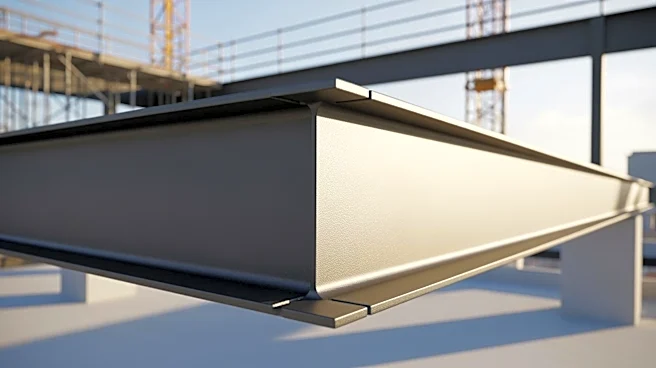
Structural steel is a critical component of many modern buildings, but it loses strength at high temperatures. To maintain the integrity of steel frames during a fire, various fireproofing measures are employed. Traditional methods involved masonry encasement, which added significant weight to the structure. However, newer materials and techniques have been developed to address this issue.
Intumescent coatings are a popular choice for protecting structural steel. These coatings expand when exposed to heat, forming a char layer that insulates the steel and prevents it from reaching critical temperatures. This method is lightweight and effective, making it a preferred option in many construction projects.
Fireproofing in Traffic Tunnels
Traffic tunnels present unique fireproofing challenges due to the potential for hydrocarbon fires, which can cause rapid temperature rises. Concrete linings in tunnels must be protected to prevent spalling and structural damage. Cementitious spray fireproofing is often used to provide a protective layer that can withstand the intense heat of hydrocarbon fires.
The need for effective fireproofing in traffic tunnels was highlighted by incidents such as the Channel Tunnel fire, which demonstrated the vulnerability of unprotected concrete. As a result, building codes and standards have been developed to ensure that tunnels are equipped with adequate fire protection measures.
In conclusion, fireproofing is a vital aspect of modern construction, ensuring the safety and durability of structures in the event of a fire. By employing advanced materials and techniques, the construction industry continues to enhance its ability to protect buildings and infrastructure from fire-related damage.