
Garlic, or Allium sativum, is a fascinating plant with a rich history of cultivation and use. Known for its pungent aroma and flavor, garlic is a member of the Allium genus, closely related to onions,
leeks, and chives. This perennial plant is native to Central Asia but has been naturalized in many parts of the world, making it a staple in both gardens and kitchens globally.
Botanical Characteristics of Garlic
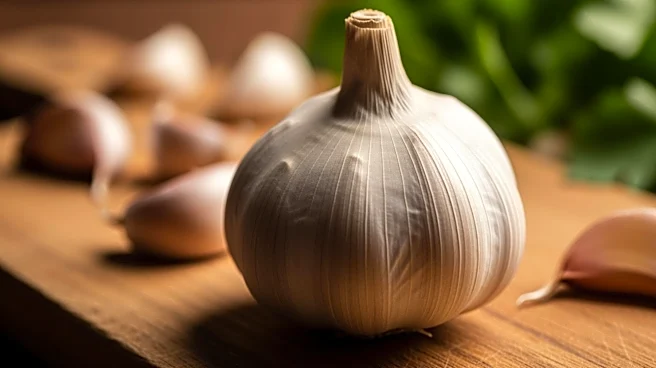
Garlic is a bulbous flowering plant that grows from a bulb, which is typically composed of 10 to 20 cloves. Each clove is encased in a papery sheath, and the entire bulb is covered by layers of outer sheathing leaves. The plant produces a tall, erect flowering stem that can reach up to three feet in height, with flat, linear leaves that are solid and have an acute apex.
The flowers of the garlic plant can range in color from pink to purple and typically bloom from July to September in the Northern Hemisphere. Garlic is pollinated by insects such as butterflies and moths, and it produces hermaphroditic flowers. Despite its ability to flower, garlic is primarily propagated asexually through the planting of individual cloves.
Cultivation Practices
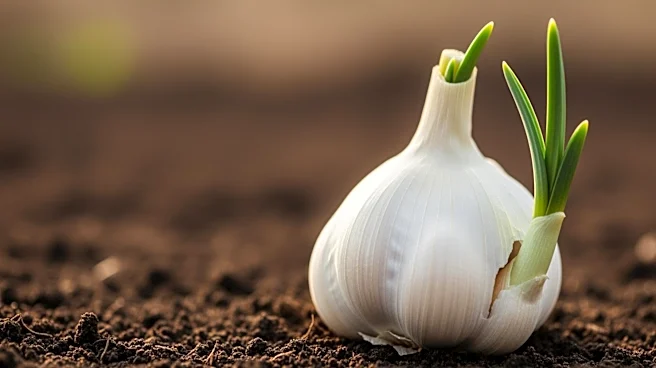
Garlic is relatively easy to cultivate and can be grown in a variety of climates. It thrives in loose, dry, well-drained soils and prefers sunny locations. In colder climates, garlic cloves are best planted about six weeks before the soil freezes, allowing the bulbs to develop roots without producing shoots above ground. Harvesting typically occurs in late spring or early summer.
There are two main subspecies of garlic: hardneck and softneck. Hardneck garlic is generally grown in cooler climates and produces larger cloves, while softneck garlic is more suited to milder climates and produces smaller, tightly packed cloves. The choice of garlic type can be influenced by the latitude of the growing region, as garlic can be sensitive to day length.
Global Production and Challenges
China is the largest producer of garlic, accounting for a significant portion of the world's supply. Garlic's global popularity has led to its cultivation in many countries, ensuring its availability year-round. However, garlic cultivation is not without challenges. The plant can be affected by pests and diseases, such as nematodes and white rot, which can devastate crops if not properly managed.
Despite these challenges, garlic remains a popular and valuable crop for farmers worldwide. Its versatility in the kitchen and potential health benefits continue to drive demand, making it an essential part of agricultural production in many regions.
In summary, garlic's botanical characteristics and cultivation practices highlight its adaptability and importance as a global crop. Its ability to thrive in diverse environments and its widespread use in cooking and medicine underscore its significance in both agriculture and culture.