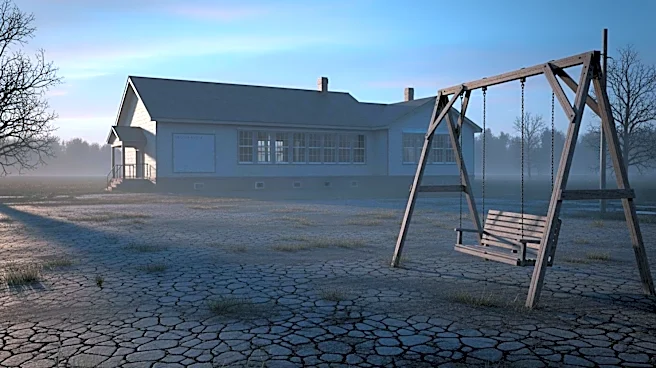







The Bath School disaster of May 18, 1927, left a small Michigan community in ruins, both physically and emotionally. The attack, orchestrated by Andrew Kehoe, resulted in the deaths of 45 people, including 38 children. In the wake of this tragedy, the community of Bath Township came together to support the victims and rebuild their lives. This article explores the aftermath of the disaster, focusing on the community response and rebuilding efforts.
Community Response and Support
In the immediate aftermath of the disaster, the community of Bath Township was overwhelmed with grief and shock. The American Red Cross quickly set up an operations center to provide aid and comfort to the victims and their families. Local organizations and individuals also stepped in to offer support, with many volunteering their time and resources to help those affected.
Donations poured in from across the country, as people from all walks of life expressed their sympathy and solidarity with the grieving community. The Lansing Red Cross headquarters stayed open late into the night to manage the influx of calls and coordinate relief efforts. The generosity of the public was a testament to the compassion and resilience of the human spirit in the face of tragedy.
Rebuilding the School and Community
Rebuilding the Bath Consolidated School was a priority for the community, as it symbolized hope and resilience in the face of adversity. Governor Fred W. Green called for donations to aid the reconstruction efforts, and the Bath Relief Fund was established with contributions from donors, the state, and local governments.
Lansing architect Warren Holmes donated construction plans for the new school building, and U.S. Senator James J. Couzens contributed $75,000 to the construction fund. The damaged portion of the school was demolished, and a new wing was built with the donated funds. The James Couzens Agricultural School was dedicated in August 1928, marking a new beginning for the community.
Legacy and Remembrance
The Bath School disaster left an indelible mark on the community and the nation. It remains one of the deadliest school attacks in U.S. history and is often cited as an early example of domestic terrorism. The event has been memorialized in various ways, including a documentary and a memorial park at the site of the school.
The James Couzens Memorial Park, established on the site of the former school, serves as a place of reflection and remembrance for the victims. A bronze plaque bearing the names of those killed in the disaster was placed at the park's entrance in 2002. The park's centerpiece is the original cupola from the Bath Consolidated School, a symbol of resilience and hope.
The Bath School disaster serves as a poignant reminder of the potential for violence in schools and the importance of community support in the aftermath of tragedy. The resilience and compassion demonstrated by the people of Bath Township continue to inspire and offer hope to those affected by similar events.