



Chili peppers, with their distinctive heat and flavor, have become a staple ingredient in many cuisines worldwide. From the fiery dishes of Mexico to the spicy curries of India, chili peppers play a crucial role in adding depth and complexity to culinary creations. This article explores the diverse ways chili peppers are used in global cuisines, highlighting their cultural significance and culinary versatility.
Mexican Cuisine
In Mexican cuisine, chili peppers are
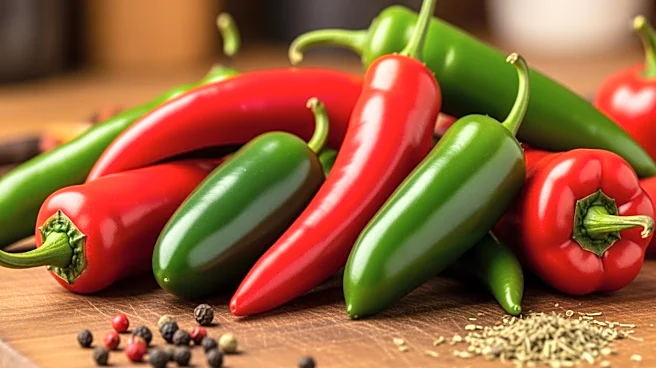
an essential ingredient, offering a wide range of flavors from citrusy to earthy. Various types of chili peppers are used in Mexican dishes, including jalapeños, poblanos, habaneros, serranos, chipotles, anchos, pasillas, guajillos, de árbol, cascabels, and mulatos. These peppers are incorporated into numerous dishes, such as salsas, mole sauces, and traditional stews.
Chili peppers are also used to create spicy sauces that accompany Mexican meals, adding a burst of flavor to tacos, enchiladas, and tamales. The versatility of chili peppers in Mexican cuisine is evident in their ability to enhance both savory and sweet dishes, making them a beloved ingredient in the country's culinary traditions.
Asian Cuisine
Chili peppers are a key component in many Asian cuisines, particularly in regions like Thailand, India, and China. In Thai cuisine, bird's eye chilies are used to add heat to dishes like green curry and tom yum soup. These small, potent peppers are often combined with other aromatic ingredients such as lemongrass, galangal, and kaffir lime leaves to create complex and flavorful dishes.
In Indian cuisine, chili peppers are used in a variety of forms, from fresh to dried, and are a fundamental ingredient in curries and spice blends. The heat of chili peppers complements the rich flavors of Indian spices, creating dishes that are both aromatic and spicy. In Chinese cuisine, particularly in Sichuanese food, chili peppers are used to create bold and fiery flavors, often paired with numbing Sichuan peppercorns.
Caribbean and African Cuisine
In the Caribbean, chili peppers are used to create vibrant and spicy dishes, such as jerk chicken in Jamaica. Habanero chilies, known for their intense heat, are combined with allspice and other seasonings to create the signature jerk marinade. Chili peppers are also used in Caribbean hot sauces, adding a fiery kick to seafood and meat dishes.
In African cuisine, chili peppers are used in various regional dishes, such as the spicy pepper soup in Nigeria. These peppers add heat and depth to stews and sauces, enhancing the flavors of local ingredients. The use of chili peppers in African cuisine reflects the continent's rich culinary heritage and the adaptability of these spicy fruits in diverse cooking traditions.