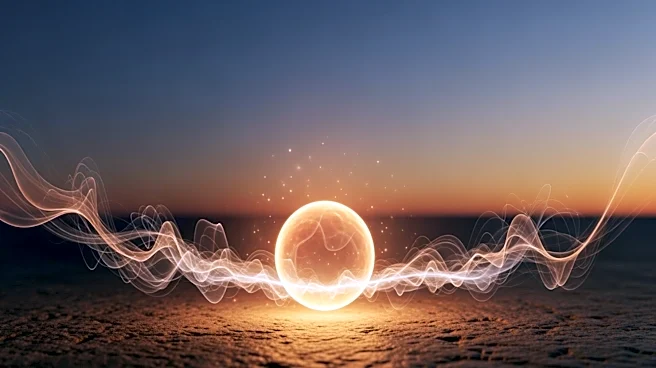







In Hindu philosophy, prana is considered the vital life force that permeates all levels of reality, including inanimate objects. This concept is central to various practices such as yoga, Ayurveda, and Indian martial arts. Prana is often described as originating from the Sun and connecting the elements, playing a crucial role in the balance and harmony of the universe. This article delves into the significance of prana in Hindu philosophy and its
application in different practices.
Understanding Prana and Its Types
Prana, a Sanskrit word meaning breath or life force, is a fundamental concept in Hindu philosophy. It is believed to be the energy that sustains life and connects all living beings. In Hindu texts, prana is often divided into five main types, collectively known as the five vayu or winds. These include prana (inward moving energy), apana (outward moving energy), vyana (circulation of energy), udana (energy of the head and throat), and samana (digestion and assimilation).
Each type of prana is associated with specific functions within the body, contributing to the overall balance and well-being of an individual. For instance, prana is linked to the respiratory system, while apana is related to elimination and reproduction. Understanding and balancing these different types of prana is considered essential for maintaining physical and mental health.
Prana in Yoga and Ayurveda
In the practice of yoga, prana is a central focus, particularly in the form of pranayama, which involves the control and regulation of breath. Pranayama is one of the eight limbs of yoga, as outlined in the Yoga Sutras of Patanjali. It is believed that by mastering pranayama, practitioners can expand their conscious awareness of prana and achieve a higher state of consciousness.
Ayurveda, the ancient Indian system of medicine, also places great importance on prana. It is considered the life force that governs all bodily functions and is essential for maintaining health and vitality. Ayurvedic practices often involve techniques to balance and enhance the flow of prana, such as dietary recommendations, herbal treatments, and lifestyle modifications.
The Symbolic and Cultural Significance of Prana
Beyond its practical applications, prana holds deep symbolic and cultural significance in Hindu philosophy. It is often associated with the soul or spirit, representing the essence of life itself. The concept of prana is also linked to various spiritual practices, where it is seen as a means of connecting with the divine and achieving spiritual enlightenment.
In Hindu literature, prana is sometimes described as the breath of life, emphasizing its role as the sustaining force of the universe. This idea is reflected in various texts, including the Upanishads and the Bhagavad Gita, where prana is depicted as a vital principle that underlies all existence.
Overall, the concept of prana is a testament to the rich and intricate philosophy of Hinduism, highlighting the interconnectedness of all life and the importance of maintaining balance and harmony within oneself and the world.