





Plane Crazy, directed by Walt Disney and Ub Iwerks, represents a pivotal moment in animation history. As the first film to feature Mickey Mouse and Minnie Mouse, it showcases the creative process and animation techniques that would become hallmarks of Disney's work. The film's production involved innovative methods and a dedicated team, setting the stage for future advancements in animation.
Animation Techniques
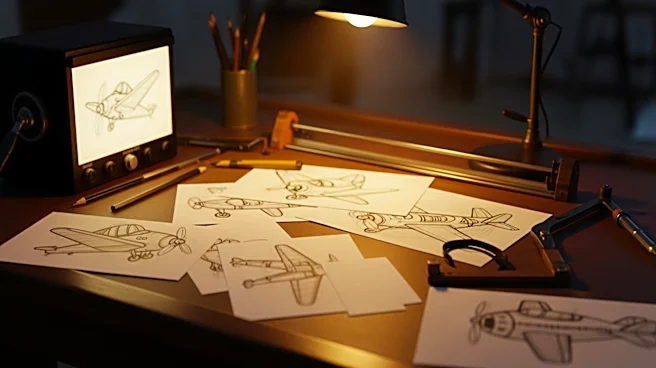
Ub Iwerks, the sole animator for Plane Crazy, played a crucial
role in bringing Mickey Mouse to life. Working at an impressive rate of over 700 drawings a day, Iwerks completed the animation in just two weeks. This rapid production was made possible by Iwerks' exceptional skill and dedication, which allowed him to create fluid and expressive character movements.
The animation techniques used in Plane Crazy were groundbreaking for the time. The film included a point-of-view shot from the plane, creating the illusion of the camera tracking into the ground. This effect was achieved by piling books under the spinning background to move the artwork closer to the view. Such innovative methods demonstrated Disney's commitment to pushing the boundaries of animation.
Sound Integration
The transition from silent to sound film was a significant development in Plane Crazy's production. The sound version featured a soundtrack by Carl W. Stalling, recorded in October 1928. This addition of sound enhanced the film's comedic elements, making it more engaging for audiences.
The sound effects in Plane Crazy were particularly noteworthy, adding to the film's humor and appeal. The absurd squeaks, yawps, and goofy noises complemented the visual gags, creating a more immersive experience for viewers. This integration of sound marked a turning point in animation, showcasing the potential of synchronized audio in enhancing storytelling.
Collaborative Efforts
While Ub Iwerks was the primary animator, the production of Plane Crazy involved collaboration with other artists. It is speculated that Hugh Harman and Rudolf Ising may have contributed to the film, although their exact roles remain unclear. This collaborative effort highlights the importance of teamwork in animation, where multiple talents come together to create a cohesive and entertaining product.
The creative process behind Plane Crazy set a precedent for future Disney productions. The film's innovative techniques and collaborative spirit laid the foundation for the studio's success, influencing the development of animation as an art form. Today, Plane Crazy is celebrated for its contributions to the industry, serving as a testament to the creativity and ingenuity of its creators.