






The tunic, a garment with a simple yet functional design, holds a significant place in the cultural attire of many societies around the world. From ancient civilizations to modern-day fashion, the tunic has been adapted to meet the needs and aesthetics of various cultures. This article delves into the cultural significance of the tunic and its diverse variations across different regions.
The Tunic in Ancient Civilizations
In ancient Rome and Greece, the tunic was more than just a piece
of clothing; it was a symbol of social status and identity. Roman citizens wore the tunica as a basic garment, often under the toga, with variations in length and decoration indicating the wearer's social standing. For instance, Roman senators wore tunics with broad purple stripes, known as the laticlavus, while members of the equestrian class wore the Angusticlavia with narrower stripes.
Similarly, in ancient Greece, the tunic, or chiton, was a reflection of the wearer's city-state, with decorative hemlines representing their polis. The tunic's bright colors and simple design made it a versatile garment suitable for various occasions, from daily wear to ceremonial events.
Regional Variations and Adaptations
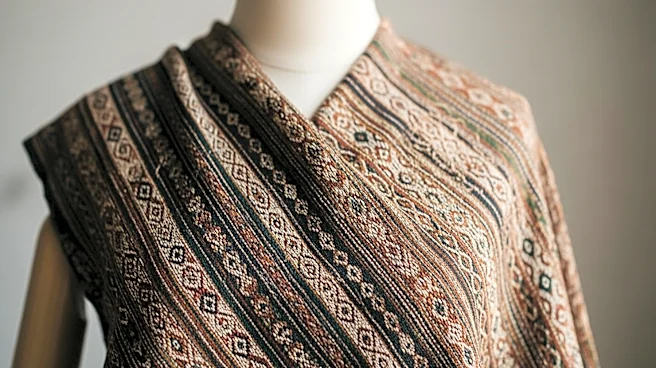
As the tunic spread across different regions, it was adapted to suit local customs and climates. In Celtic and Germanic cultures, tunics were long-sleeved and made from heavier materials to provide warmth. These tunics often featured intricate patterns and embroidery, reflecting the wearer's tribal affiliation and status.
In the Indian subcontinent, the tunic evolved into the kurta, a garment adorned with delicate embroidery and beadwork. The kurta became a staple of traditional attire in India, Pakistan, and Bangladesh, showcasing the tunic's ability to adapt to different cultural aesthetics. In Vietnam, the tunic transformed into the áo dài, a long, split tunic worn over trousers, which became a symbol of Vietnamese national identity.
Modern Cultural Significance
Today, the tunic continues to hold cultural significance in various societies. In Western culture, it is primarily used in religious and uniform contexts, such as the clerical cassock and military uniforms. The tunic's simple design and versatility have also made it a popular choice for casual and athletic wear, with light, feminine tunics often worn for sports or exercise.
The tunic's enduring appeal lies in its adaptability and timeless design. From its ancient origins to its modern iterations, the tunic remains a symbol of cultural identity and tradition, transcending geographical and historical boundaries. As fashion trends continue to evolve, the tunic stands as a testament to the rich cultural heritage it represents.