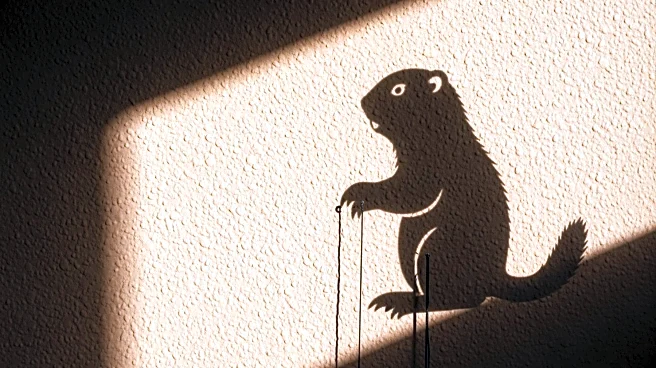

Groundhog Day, the 1993 comedy film starring Bill Murray, has left a lasting imprint on popular culture. Its unique premise of a time loop has not only entertained audiences but also influenced language
and storytelling across various media. The film's impact is evident in the way it has shaped cultural references and inspired other creative works.
Groundhog Day in Language
Since its release, the term "Groundhog Day" has entered the English lexicon as a metaphor for monotonous, repetitive situations. This usage reflects the film's central theme, where the protagonist, Phil Connors, relives the same day repeatedly. The phrase is now commonly used to describe scenarios where events seem to repeat without change, highlighting the film's influence on everyday language.
The film's portrayal of a time loop has resonated with audiences, making it a popular reference point in discussions about routine and monotony. This cultural adoption demonstrates the film's ability to transcend its comedic roots and become a part of the broader conversation about life's repetitive nature.
Influence on Storytelling
Groundhog Day has also impacted storytelling, particularly in the fantasy and science fiction genres. The film popularized the concept of time loops, inspiring numerous other works that explore similar themes. Movies like "Edge of Tomorrow" and "Happy Death Day" have drawn on the idea of characters trapped in repeating cycles, showcasing the film's lasting influence.
The narrative device of a time loop allows for creative exploration of character development and moral growth, as seen in Groundhog Day. This storytelling technique has become a staple in genre films, offering audiences a unique way to engage with characters and their journeys.
Groundhog Day's Legacy
Beyond language and storytelling, Groundhog Day has become a cultural touchstone, celebrated annually in Punxsutawney, Pennsylvania. The film's depiction of the Groundhog Day festival has boosted attendance at the real event, turning it into a major tourist attraction. This annual celebration underscores the film's enduring legacy and its role in popularizing the holiday.
The film's impact is further evidenced by its inclusion in the United States National Film Registry, recognizing its cultural, historical, and aesthetic significance. Groundhog Day's ability to entertain while provoking thought about life's cyclical nature ensures its place as a beloved classic.
Groundhog Day's cultural impact is undeniable, influencing language, storytelling, and even real-world events. Its legacy continues to grow, cementing its status as a film that resonates with audiences across generations.