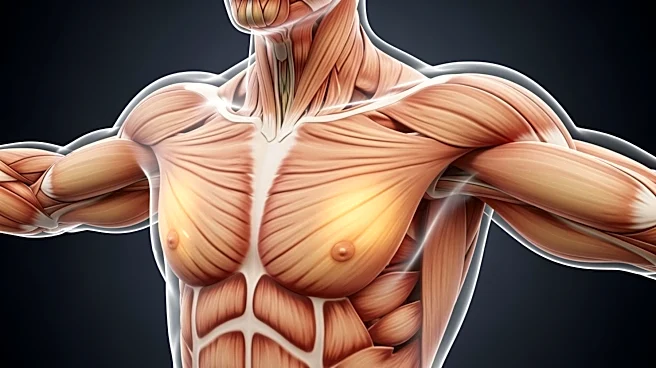

The push press is a dynamic weightlifting exercise that targets the shoulders, specifically the anterior deltoids. It is similar to the military press but incorporates a leg push to initiate the movement. This exercise is popular among athletes and fitness enthusiasts for its ability to build upper body strength and improve overall body coordination. In this article, we will delve into the mechanics of the push press, its execution, and the variations
that can be performed.
Mechanics of the Push Press
The push press begins with the barbell held just above chest height. Unlike the military press, the push press uses a leg drive to start the movement. This leg push generates momentum, making it easier to lift the weight overhead. The bar is then pushed upwards, and once the weight is overhead, it is slowly lowered back to the chest. The legs are slightly bent again, ready to begin the next repetition. This cycle of movement allows for a more dynamic lift compared to a strict overhead press.
One of the key benefits of the push press is its ability to engage multiple muscle groups. While the primary focus is on the shoulders, the exercise also involves the legs, core, and arms. This makes it an effective compound movement that can enhance overall strength and coordination. Additionally, the push press allows for the use of heavier weights than a standard shoulder press, as the leg drive assists in lifting the barbell.
Execution and Safety Considerations
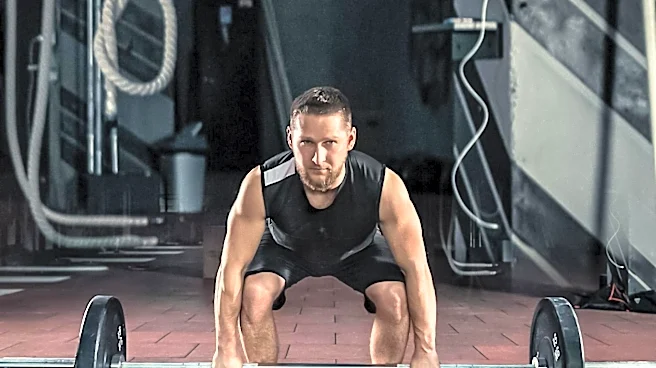
Executing the push press requires proper form to maximize benefits and minimize the risk of injury. The exercise starts with a strong stance, feet shoulder-width apart, and the barbell resting on the upper chest. The lifter should engage their core and maintain a neutral spine throughout the movement. As the legs push, the barbell is driven upwards, and the arms extend fully overhead.
Safety is paramount when performing the push press. If the weight is too heavy to lower safely, it can be dropped from the overhead position onto padded flooring. This prevents strain on the shoulders and back. Additionally, some variations, such as performing the push press from behind the neck, are not recommended due to an increased risk of injury.
Variations of the Push Press
The push press can be adapted in several ways to target different muscle groups or to accommodate different fitness levels. One-handed push presses, for example, require additional core strength to stabilize the uncentered weight. This variation can help reduce muscle imbalances by ensuring each side of the body performs an equal amount of work.
Other variations include using dumbbells or kettlebells instead of a barbell. These alternatives can provide a different stimulus to the muscles and may be more accessible for those who do not have access to a barbell. Regardless of the variation, the push press remains a versatile and effective exercise for building upper body strength and power.